













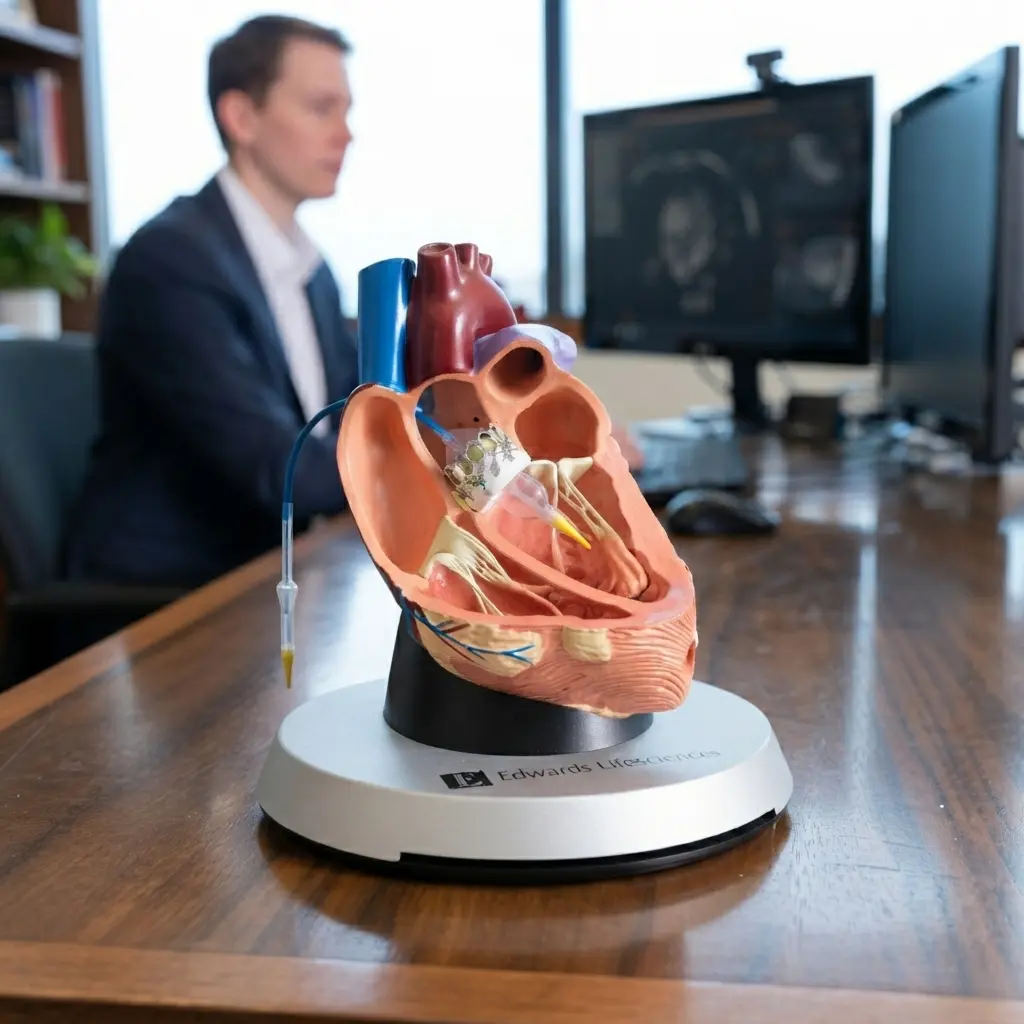
Heart Valve Surgery at Karolinska University Hospital
Heart Valve Surgery provides specialized surgical treatment for selected patients with significant heart valve disease. The procedure may involve repairing or replacing a damaged heart valve to improve blood flow through the heart, support cardiac function and reduce symptoms or complications associated with severe valve disease.
Price
Price on Request
Why Price on Request?
The cost of heart valve surgery varies according to the type of valve disease, valve affected, complexity of the procedure, surgical technique, preoperative investigations, anesthesia, hospital stay, postoperative monitoring and follow-up care. A personalized cost estimate can be provided after medical assessment.
Complete Description
What Is Heart Valve Surgery?
Heart Valve Surgery is a specialized cardiac surgical procedure used to treat significant abnormalities affecting the heart valves.
Surgery may involve:
Heart valve repair
Heart valve replacement
Aortic valve surgery
Mitral valve surgery
Tricuspid valve surgery
Complex valve procedures
The appropriate procedure depends on the patient's valve condition and overall health.
Who May Need Heart Valve Surgery?
Heart valve surgery may be considered for patients with:
Severe valve stenosis
Severe valve regurgitation
Symptomatic valve disease
Reduced heart function associated with valve disease
Progressive valve deterioration
Structural valve abnormalities
Valve disease causing significant cardiovascular complications
The need for surgery is determined through specialist assessment.
Preoperative Heart Valve Assessment
Before surgery, patients may undergo detailed evaluation including:
Cardiology consultation
Echocardiography
ECG
Cardiac imaging
Laboratory testing
Heart-function assessment
Medical history review
Anesthesia assessment
These investigations help the cardiac team determine the appropriate surgical approach.
Aortic Valve Surgery
Aortic valve surgery may be required for significant aortic valve disease.
Depending on the patient's condition, treatment may involve:
Aortic valve repair in selected cases
Surgical aortic valve replacement
Complex aortic valve procedures
Combined cardiac surgery when required
Mitral Valve Surgery
Mitral valve surgery may be performed for selected patients with significant mitral valve disease.
Surgical options may include:
Mitral valve repair
Mitral valve replacement
Complex mitral valve surgery
Combined procedures when clinically indicated
Tricuspid Valve Surgery
Selected patients with significant tricuspid valve disease may require surgical evaluation.
Treatment may involve:
Tricuspid valve repair
Tricuspid valve replacement
Combined valve procedures
Other cardiac surgical interventions when required
Heart Valve Repair
Valve repair aims to preserve the patient's own valve whenever technically and clinically appropriate.
Potential advantages of repair may include:
Preservation of native valve tissue
Restoration of appropriate valve function
Individualized surgical treatment
Whether repair is possible depends on the valve anatomy and underlying disease.
Heart Valve Replacement
When a valve cannot be adequately repaired, replacement may be considered.
Valve replacement involves removing or treating the diseased valve and replacing it with an appropriate prosthetic valve.
The choice of replacement depends on factors including:
Valve location
Patient age
Medical condition
Valve anatomy
Long-term treatment considerations
Complex Heart Valve Surgery
Some patients require complex cardiac surgical planning because of:
Multiple valve disease
Previous cardiac surgery
Severe valve dysfunction
Reduced heart function
Associated coronary artery disease
Complex cardiac anatomy
Such cases may require multidisciplinary evaluation.
Combined Cardiac Procedures
In selected patients, valve surgery may be performed alongside another cardiac procedure.
Depending on the patient's condition, combined treatment may involve:
Coronary artery bypass surgery
Aortic surgery
Other valve procedures
Additional cardiac interventions
The treatment plan is determined by the cardiac surgical team.
Minimally Invasive Surgical Assessment
Selected patients may be evaluated for less invasive surgical approaches where clinically appropriate.
The suitability of a minimally invasive approach depends on:
Type of valve disease
Valve anatomy
Surgical complexity
Previous procedures
Overall health
Individual surgical risk
Postoperative Heart Valve Care
Following surgery, patients require specialized monitoring and recovery care.
Postoperative management may include:
Heart-function monitoring
Rhythm monitoring
Pain management
Infection prevention
Wound care
Medication management
Mobility and rehabilitation
Follow-up cardiac imaging
Cardiac Rehabilitation
Following recovery, selected patients may benefit from cardiac rehabilitation.
Rehabilitation may support:
Improved physical strength
Exercise tolerance
Cardiovascular fitness
Safe return to daily activities
Lifestyle improvement
Long-term heart health
Long-Term Follow-Up After Valve Surgery
Patients may require ongoing cardiac follow-up after valve surgery.
Monitoring may include:
Valve function
Heart rhythm
Heart function
Symptoms
Medication requirements
Prosthetic valve function where applicable
Cardiovascular health
Heart Valve Surgery Second Opinion
Patients may seek a heart valve surgery second opinion regarding:
Recommended valve surgery
Valve repair versus replacement
Surgical timing
Echocardiography findings
Complex valve disease
Previous cardiac surgery
Proposed treatment approach
Relevant cardiac records and imaging can be reviewed during specialist assessment.
International Patient Heart Valve Surgery
International patients seeking heart valve surgery in Sweden should provide relevant medical records whenever available.
Useful documentation may include:
Cardiology reports
Echocardiography
ECG results
Cardiac CT or MRI
Coronary angiography
Laboratory results
Previous cardiac surgery reports
Current medication list
Previous treatment records
Complete records can help the specialist team assess surgical requirements and plan further care.
Benefits of Specialized Heart Valve Surgery
Specialized cardiac surgery may help:
Treat severe valve disease
Improve abnormal valve function
Reduce symptoms
Support heart function
Address valve-related complications
Provide valve repair or replacement
Manage complex cardiac conditions
Coordinate multidisciplinary cardiac care
Support postoperative recovery
Provide specialist surgical second opinions
Why Choose Karolinska University Hospital for Heart Valve Surgery?
Karolinska University Hospital is a major university hospital in Sweden providing highly specialized cardiac and surgical care.
Patients with complex heart valve disease may be assessed through relevant cardiology and cardiac surgery services according to their diagnosis, medical needs and eligibility.
The specific surgical procedure depends on specialist assessment.
Cost & Price on Request
Price: Price on Request
The total cost depends on the valve affected, surgical complexity and associated medical services.
Potential costs may include:
Cardiac surgery consultation
Preoperative testing
Echocardiography
Cardiac imaging
Laboratory investigations
Anesthesia
Valve repair or replacement
Hospital care
Postoperative monitoring
Cardiac rehabilitation
Follow-up care
A personalized cost estimate can be requested following specialist assessment.
Frequently Asked Questions
1. Which heart valves can require surgery?
Surgery may be required for significant disease affecting the aortic, mitral or tricuspid valves, depending on the patient's condition.
2. Is heart valve repair better than replacement?
Repair may be preferred when it is technically and clinically appropriate, but replacement may be necessary when the valve cannot be adequately repaired.
3. How is heart valve surgery planned?
Planning usually involves cardiac imaging, specialist assessment, laboratory testing and evaluation of the patient's overall health and surgical risk.
4. Can I get a heart valve surgery second opinion in Sweden?
Patients may request specialist review of their diagnosis, imaging and proposed surgical treatment, subject to applicable hospital requirements.
5. Can international patients receive heart valve surgery in Sweden?
International patients may request specialist assessment and treatment subject to applicable hospital processes, medical requirements, eligibility and program availability.
Product Details
Product Name: Heart Valve Surgery
Hospital: Karolinska University Hospital
Brand: Karolinska University Hospital
Country: Sweden
Specialty: Cardiology & Cardiac Surgery
Service Type: Heart Valve Surgery
Customer-Facing Price: Price on Request
International Patients: Subject to applicable eligibility and program requirements
Location: Stockholm, Sweden
Related products





Frequently Bought Together
No frequently bought products found!
Products from this Seller
View All





Chemotherapy at Mayo Clinic

Immunotherapy at Mayo Clinic

Medical Tourism





Share with Friends
Trading is more effective when you share products with friends!Share you link
Share to