












Arrhythmia Treatment at Karolinska University Hospital
Arrhythmia Treatment provides specialized cardiovascular care for patients with abnormal heart rhythms. Treatment focuses on identifying the type and cause of the arrhythmia, controlling symptoms, reducing associated risks and restoring or maintaining an appropriate heart rhythm through medication, monitoring, catheter-based procedures or other cardiac interventions when clinically appropriate.
Price
Price on Request
Why Price on Request?
The cost of arrhythmia treatment varies according to the type of heart rhythm disorder, diagnostic testing, specialist consultation, medication, electrophysiology procedures, catheter ablation, cardiac device treatment and follow-up requirements. A personalized cost estimate can be provided after medical assessment.
Complete Description
What Is Arrhythmia Treatment?
Arrhythmia Treatment involves specialized diagnosis and management of abnormal heart rhythms.
Arrhythmias may cause the heart to beat:
Too fast
Too slowly
Irregularly
With an abnormal rhythm
Treatment depends on the type of arrhythmia, symptoms, underlying heart condition and individual risk factors.
Who May Need Arrhythmia Treatment?
Arrhythmia evaluation may be appropriate for patients experiencing:
Palpitations
Irregular heartbeat
Rapid heartbeat
Slow heartbeat
Dizziness
Fainting
Shortness of breath
Chest discomfort
Reduced exercise tolerance
Patients with previously diagnosed rhythm disorders may also require ongoing specialist care.
Comprehensive Arrhythmia Evaluation
Assessment may include:
Medical history
Symptom review
Physical examination
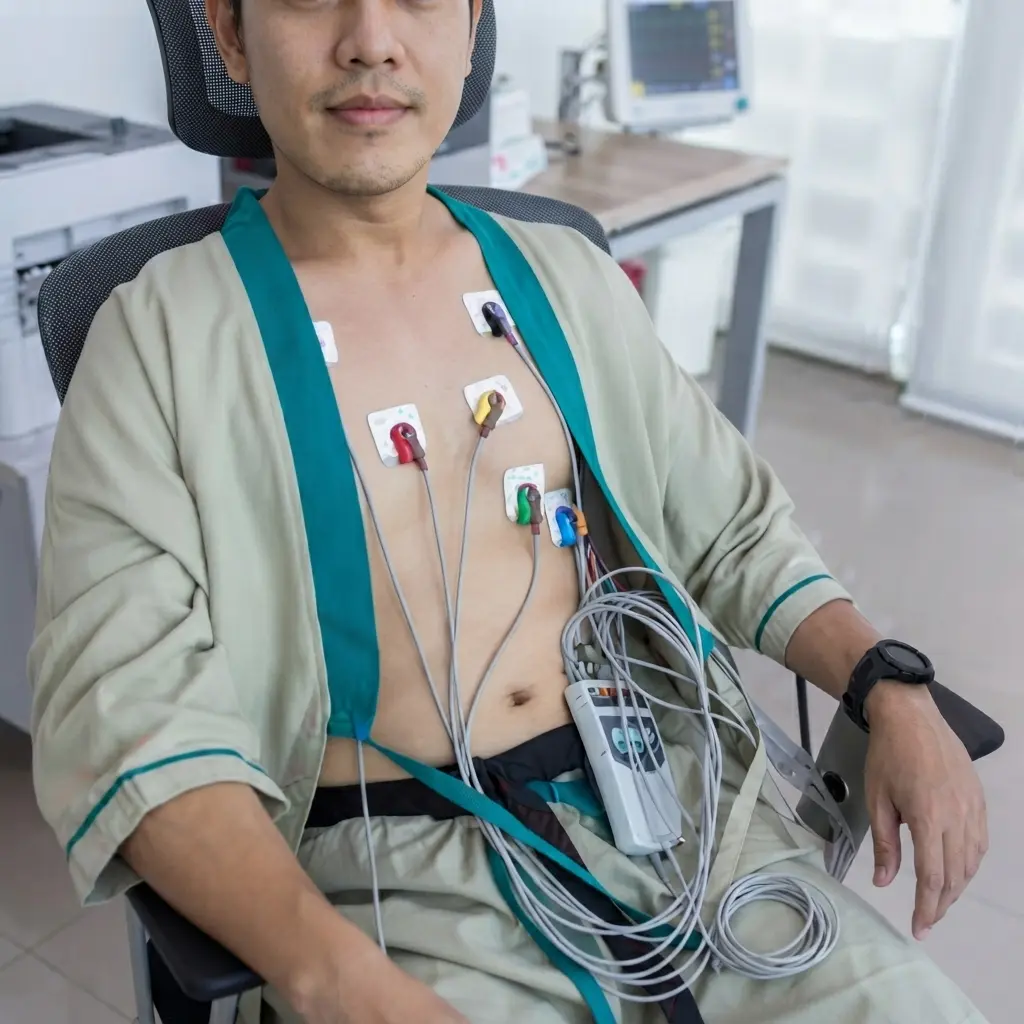
ECG
Blood tests
Echocardiography
Heart rhythm monitoring
Review of previous cardiac investigations
Electrocardiogram
An electrocardiogram (ECG) records the electrical activity of the heart and can help identify certain rhythm abnormalities.
It may help assess:
Heart rate
Heart rhythm
Electrical conduction
Certain arrhythmias
Other cardiac abnormalities
Heart Rhythm Monitoring
Some arrhythmias occur intermittently and may not appear during a standard ECG.
Depending on the patient's symptoms, monitoring may include:
Holter monitoring
Extended rhythm monitoring
Ambulatory ECG
Other specialized cardiac monitoring
Atrial Fibrillation Treatment
Atrial fibrillation is a common heart rhythm disorder that can cause an irregular and sometimes rapid heartbeat.
Management may involve:
Heart-rate control
Rhythm-control strategies
Medication
Stroke-risk assessment
Catheter ablation in selected patients
Long-term monitoring
The treatment plan depends on the patient's individual condition.
Other Heart Rhythm Disorders
Specialized arrhythmia care may also address conditions such as:
Atrial flutter
Supraventricular tachycardia
Ventricular arrhythmias
Bradycardia
Conduction disorders
Other abnormal cardiac rhythms
Medication Management
Medication may be used to control heart rate or rhythm and reduce certain cardiovascular risks.
Specialist management may include:
Medication selection
Dose adjustment
Monitoring treatment response
Side-effect monitoring
Review of medication interactions
Long-term treatment planning
Patients should not stop or change prescribed cardiac medication without medical guidance.
Electrophysiology Assessment
Patients with certain rhythm disorders may require evaluation by cardiac electrophysiology specialists.
Assessment may help determine:
Origin of the arrhythmia
Electrical conduction abnormalities
Appropriate treatment strategy
Suitability for catheter-based treatment
Need for cardiac device therapy
Catheter Ablation
Selected arrhythmias may be treated using catheter ablation.
During the procedure, specialized catheters are used to identify and treat areas responsible for abnormal electrical activity.
Catheter ablation may be considered for selected patients with:
Atrial fibrillation
Atrial flutter
Supraventricular tachycardia
Certain other rhythm disorders
Suitability depends on specialist assessment.
Pacemaker Evaluation and Treatment
Patients with certain slow heart rhythms or conduction problems may require evaluation for a pacemaker.
Assessment may include:
Heart rhythm monitoring
ECG
Symptom evaluation
Device suitability assessment
Long-term device follow-up
Implantable Cardiac Defibrillator Evaluation
Selected patients at risk of serious ventricular arrhythmias may be evaluated for an implantable cardiac defibrillator.
Specialist assessment considers:
Heart function
Previous arrhythmias
Underlying heart disease
Overall cardiovascular risk
Other clinical factors
Arrhythmia and Heart Failure Management
Some arrhythmias may occur alongside heart failure.
Patients may require coordinated evaluation of:
Heart rhythm
Heart pumping function
Medication
Fluid status
Cardiovascular risk
Potential device therapy
Long-Term Arrhythmia Monitoring
Ongoing follow-up may monitor:
Heart rhythm
Heart rate
Symptoms
Medication response
Cardiac function
Device function when applicable
Recurrence of arrhythmia
Arrhythmia Second Opinion
Patients may seek an arrhythmia second opinion regarding:
Arrhythmia diagnosis
ECG findings
Rhythm-monitoring results
Medication treatment
Catheter ablation
Pacemaker recommendations
Defibrillator evaluation
Previous cardiac procedures
Relevant cardiac records can be reviewed by specialists.
International Patient Arrhythmia Treatment
International patients seeking arrhythmia treatment in Sweden should provide relevant medical records whenever available.
Useful documentation may include:
Cardiology reports
ECG results
Holter-monitoring reports
Echocardiography
Cardiac imaging
Laboratory results
Medication list
Previous electrophysiology reports
Previous cardiac procedures
Complete documentation can help specialists assess the rhythm disorder and determine an appropriate treatment pathway.
Benefits of Specialized Arrhythmia Treatment
Specialized arrhythmia care may help:
Identify abnormal heart rhythms
Determine the underlying cause
Monitor heart rhythm
Control symptoms
Optimize medication
Evaluate catheter ablation
Assess cardiac devices
Monitor long-term cardiovascular health
Provide specialist second opinions
Why Choose Karolinska University Hospital for Arrhythmia Treatment?
Karolinska University Hospital is a major university hospital in Sweden providing specialized cardiovascular and cardiac electrophysiology care.
Patients with complex or persistent rhythm disorders may be evaluated through relevant cardiology and electrophysiology services according to their diagnosis, medical needs and eligibility.
The specific treatment approach depends on specialist assessment.
Cost & Price on Request
Price: Price on Request
The total cost depends on the type of arrhythmia and the diagnostic or treatment services required.
Potential costs may include:
Cardiology consultation
ECG
Heart rhythm monitoring
Echocardiography
Laboratory testing
Electrophysiology assessment
Catheter ablation
Pacemaker evaluation
Implantable defibrillator assessment
Hospital monitoring
Follow-up care
A personalized cost estimate can be requested following specialist assessment.
Frequently Asked Questions
1. What is an arrhythmia?
An arrhythmia is an abnormal heart rhythm in which the heart may beat too fast, too slowly or irregularly.
2. Can arrhythmia be treated with medication?
Some arrhythmias can be managed with medication to control heart rate or rhythm and reduce associated cardiovascular risks.
3. What is catheter ablation?
Catheter ablation is a minimally invasive procedure that uses specialized catheters to identify and treat areas responsible for certain abnormal heart rhythms.
4. Can I get an arrhythmia second opinion in Sweden?
Patients may request specialist review of their ECG, rhythm-monitoring results and proposed treatment, subject to applicable hospital requirements.
5. Can international patients receive arrhythmia treatment in Sweden?
International patients may request specialist assessment and treatment subject to applicable hospital processes, medical requirements, eligibility and program availability.
Product Details
Product Name: Arrhythmia Treatment
Hospital: Karolinska University Hospital
Brand: Karolinska University Hospital
Country: Sweden
Specialty: Cardiology & Cardiac Surgery
Service Type: Arrhythmia Treatment
Customer-Facing Price: Price on Request
International Patients: Subject to applicable eligibility and program requirements
Location: Stockholm, Sweden
Related products


Frequently Bought Together
No frequently bought products found!
Products from this Seller
View All



Chemotherapy at Mayo Clinic

Immunotherapy at Mayo Clinic

Medical Tourism





Share with Friends
Trading is more effective when you share products with friends!Share you link
Share to