














Arthritis Treatment at Cleveland Clinic
Arthritis Treatment at Cleveland Clinic provides specialized evaluation and individualized management for patients with osteoarthritis, rheumatoid arthritis and other inflammatory or degenerative joint conditions. Treatment is based on the type and severity of arthritis and may include medication, physical therapy, lifestyle measures, injections, rehabilitation and surgery when clinically appropriate.
Price
Price on Request
Why Price on Request?
The cost depends on the type of arthritis, affected joints, severity of disease, diagnostic testing, medications, procedures, rehabilitation and follow-up care required. A personalized estimate is provided after evaluation.
Complete Description
What Is Arthritis Treatment?
Arthritis Treatment includes medical and surgical approaches used to manage joint pain, inflammation, stiffness, cartilage damage and reduced mobility caused by different forms of arthritis.
Treatment is individualized according to the patient's diagnosis, symptoms, joint involvement and overall health.
Who May Need Arthritis Treatment?
Arthritis treatment may be appropriate for patients experiencing:
Persistent joint pain
Joint swelling
Morning stiffness
Reduced range of motion
Joint tenderness
Difficulty walking
Difficulty performing daily activities
Progressive joint damage
Recurrent joint inflammation
Types of Arthritis
Specialists may evaluate and treat different forms of arthritis, including:
Osteoarthritis
Rheumatoid arthritis
Gout
Psoriatic arthritis
Other inflammatory arthritis
Certain autoimmune joint conditions
Arthritis Consultation
An arthritis evaluation may include:
Medical history
Symptom assessment
Joint examination
Range-of-motion testing
Strength assessment
Review of previous treatment
Diagnostic imaging
Laboratory testing when appropriate
Osteoarthritis Treatment
Osteoarthritis is associated with progressive changes in the joints.
Treatment may include:
Exercise
Physical therapy
Activity modification
Medication
Weight-management strategies when appropriate
Injections when clinically appropriate
Joint replacement for selected advanced cases
Rheumatoid Arthritis Treatment
Rheumatoid arthritis is an inflammatory autoimmune condition that can affect multiple joints.
Treatment may involve:
Disease-modifying medications
Anti-inflammatory treatment
Physical therapy
Occupational therapy
Exercise
Regular disease monitoring
Gout Treatment
Gout treatment may focus on controlling acute symptoms and reducing future attacks.
Management may include:
Medication
Lifestyle measures
Monitoring uric acid levels
Prevention strategies
Psoriatic Arthritis Treatment
Psoriatic arthritis can affect joints, tendons and other tissues.
Treatment may involve:
Medication
Physical therapy
Exercise
Inflammation management
Regular specialist monitoring
Joint Pain Treatment
Treatment depends on the underlying cause of joint pain.
Management may include:
Medication
Physical therapy
Exercise
Activity modification
Injections
Surgical treatment for selected advanced conditions
Arthritis Diagnostic Testing
Depending on the suspected diagnosis, evaluation may include:
X-rays
MRI
Ultrasound
CT scans
Blood tests
Autoimmune testing
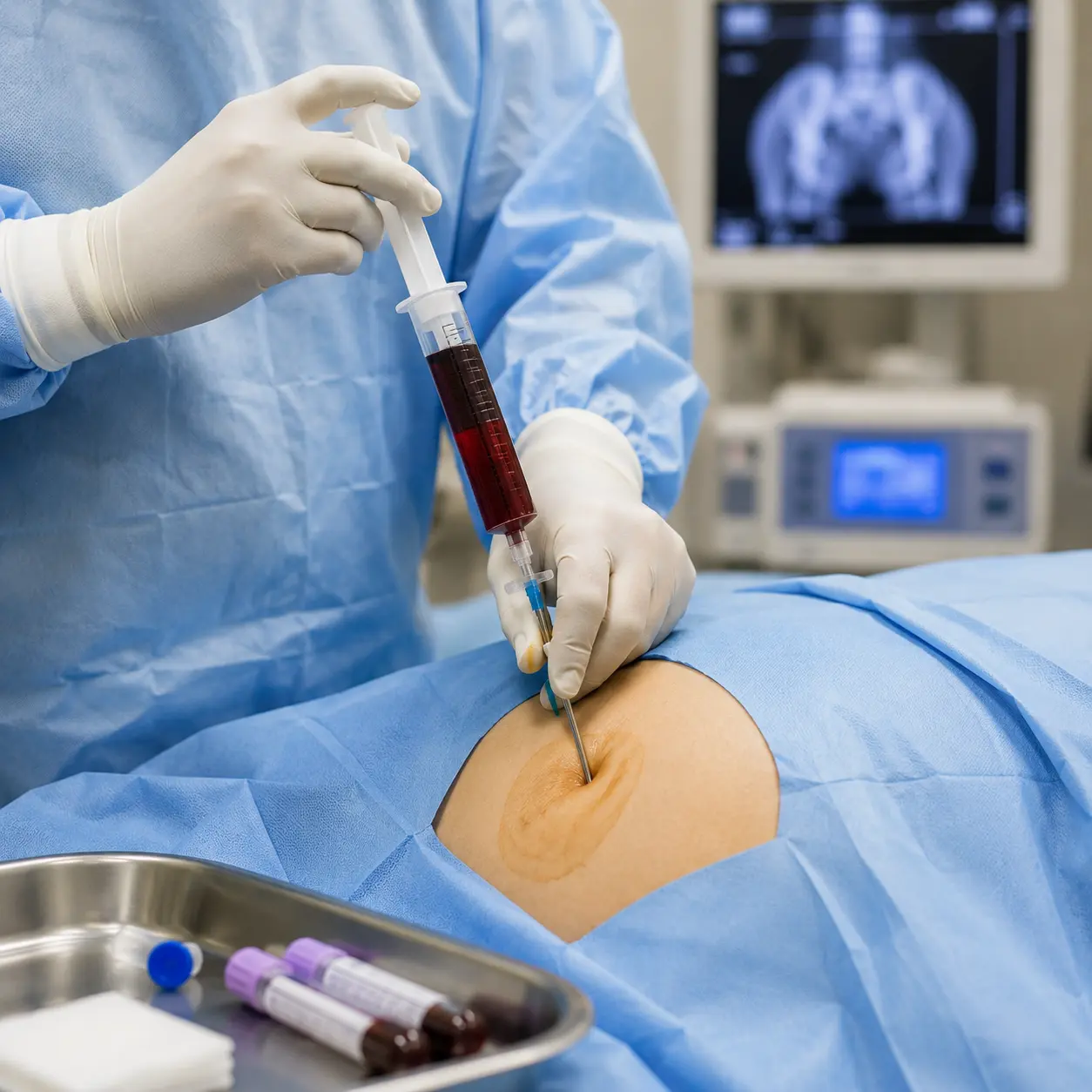
Joint fluid analysis when appropriate
Medication-Based Arthritis Treatment
Medication may be used to:
Reduce pain
Control inflammation
Manage autoimmune activity
Reduce disease activity
Prevent or slow progression in selected inflammatory conditions
Medication selection depends on the type of arthritis and the patient's medical history.
Physical Therapy for Arthritis
Physical therapy may help patients:
Improve joint mobility
Strengthen surrounding muscles
Improve balance
Increase flexibility
Improve functional movement
Maintain independence
Exercise for Arthritis
A personalized exercise program may include:
Low-impact aerobic activity
Strength training
Flexibility exercises
Range-of-motion exercises
Balance training
Exercise recommendations depend on the affected joints and overall health.
Arthritis Injections
Selected patients may be evaluated for injections to manage joint symptoms.
Depending on the condition, injections may include appropriate medications such as corticosteroids.
Advanced Arthritis Treatment
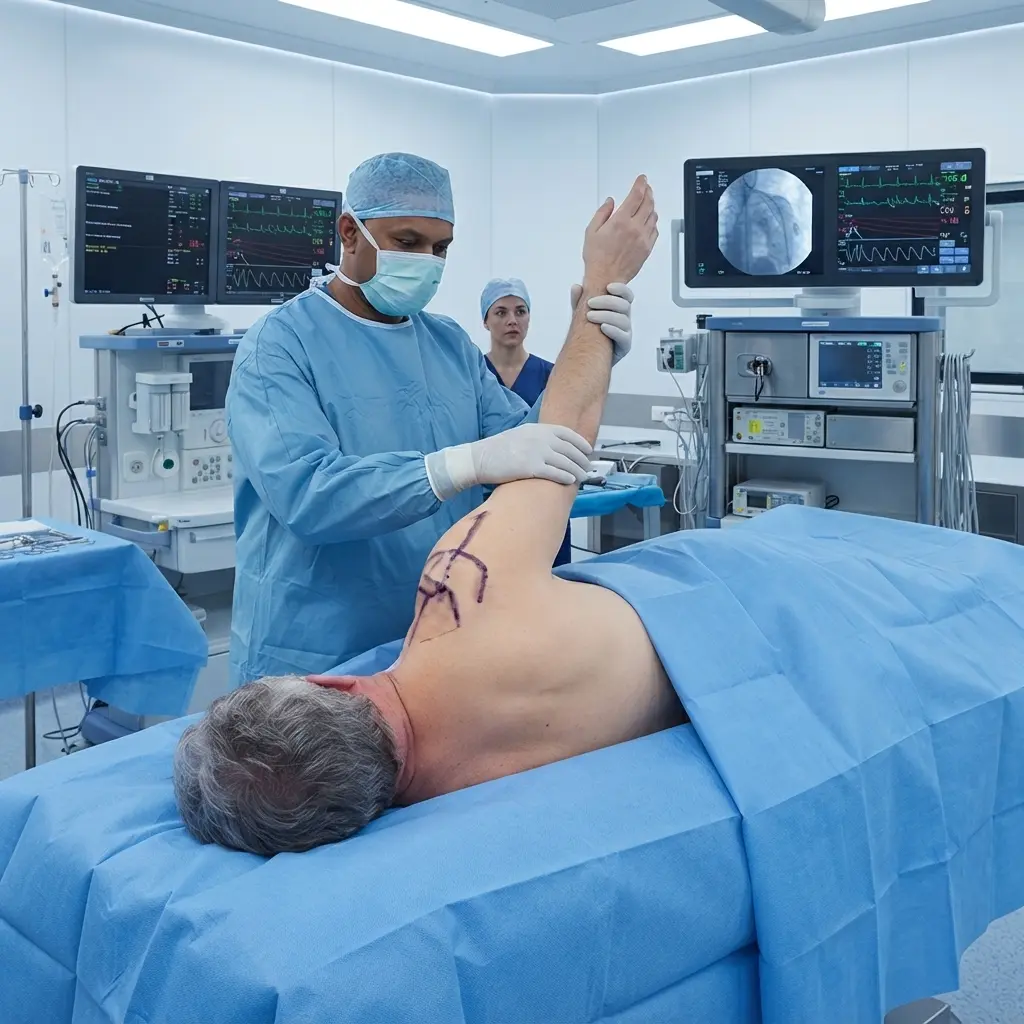
Patients with severe joint damage may require surgical evaluation.
Potential procedures may include:
Hip replacement
Knee replacement
Shoulder replacement
Other joint replacement procedures
Surgery is considered according to symptoms, joint damage and overall clinical circumstances.
Joint Replacement for Arthritis
Joint replacement may be considered when advanced arthritis causes significant pain and functional limitations despite appropriate non-surgical treatment.
The goal is to:
Reduce pain
Improve mobility
Restore joint function
Improve daily activities
Arthritis Rehabilitation
Rehabilitation may include:
Physical therapy
Strengthening
Mobility exercises
Flexibility training
Functional training
Activity modification
Long-Term Arthritis Management
Chronic arthritis may require ongoing monitoring.
Follow-up care may assess:
Pain
Joint function
Disease activity
Medication response
Side effects
Imaging
Laboratory results
Treatment may be adjusted over time.
Arthritis Prevention of Joint Damage
For selected inflammatory forms of arthritis, early diagnosis and appropriate treatment can help control disease activity and reduce the risk of progressive joint damage.
Arthritis Second Opinion
Patients with a complex diagnosis or proposed surgery may seek an arthritis treatment second opinion.
Specialists may review:
Medical records
Laboratory results
X-rays
MRI scans
Previous treatments
Current medications
Surgical recommendations
International Patients
International patients should provide relevant medical records whenever possible.
Useful documents may include:
Blood test reports
Autoimmune testing
X-rays
MRI scans
CT scans
Rheumatology reports
Orthopedic reports
Medication list
Previous treatment records
Benefits of Specialized Arthritis Care
Specialized arthritis treatment may help:
Identify the underlying type of arthritis
Reduce joint pain
Manage inflammation
Improve joint mobility
Maintain physical function
Slow disease progression in selected inflammatory conditions
Provide rehabilitation
Evaluate joint replacement
Provide specialist second opinions
Why Choose Cleveland Clinic for Arthritis Treatment?
Cleveland Clinic provides multidisciplinary arthritis care involving rheumatologists, orthopedic specialists, physical therapists, rehabilitation professionals, radiologists and other healthcare specialists.
Patients can receive comprehensive evaluation and individualized medical, rehabilitation or surgical treatment planning.
Cost & Price on Request
Price: Price on Request
The total cost depends on the type of arthritis and services required.
Potential costs may include:
Rheumatology consultation
Orthopedic consultation
Blood tests
Diagnostic imaging
Medication management
Injections when appropriate
Physical therapy
Rehabilitation
Joint replacement surgery when required
Follow-up consultations
A personalized cost estimate should be requested according to the patient's individual treatment plan.
Frequently Asked Questions
1. What types of arthritis can be treated?
Treatment may address osteoarthritis, rheumatoid arthritis, gout, psoriatic arthritis and other inflammatory or degenerative joint conditions.
2. Can arthritis be treated without surgery?
Yes. Depending on the type and severity, treatment may include medication, physical therapy, exercise, activity modification and other non-surgical approaches.
3. When is joint replacement considered for arthritis?
Joint replacement may be considered when advanced arthritis causes significant pain and functional limitations despite appropriate non-surgical treatment.
4. Can arthritis treatment improve joint mobility?
Appropriate treatment, physical therapy and exercise may help reduce symptoms and improve joint movement and physical function.
5. How much does arthritis treatment cost?
Price is available on request. The final cost depends on the diagnosis, testing, medications, procedures, rehabilitation and follow-up care required.
Product Details
Product Name: Arthritis Treatment at Cleveland Clinic
Hospital: Cleveland Clinic
Brand: Cleveland Clinic
Country: United States
Specialty: Orthopaedics & Rheumatology
Service Type: Arthritis Treatment
Customer-Facing Price: Price on Request
International Patients: Available
Location: Cleveland, Ohio, USA
Related products








Frequently Bought Together
No frequently bought products found!
Products from this Seller
View All











Chemotherapy at Mayo Clinic

Immunotherapy at Mayo Clinic


Medical Tourism





Share with Friends
Trading is more effective when you share products with friends!Share you link
Share to