













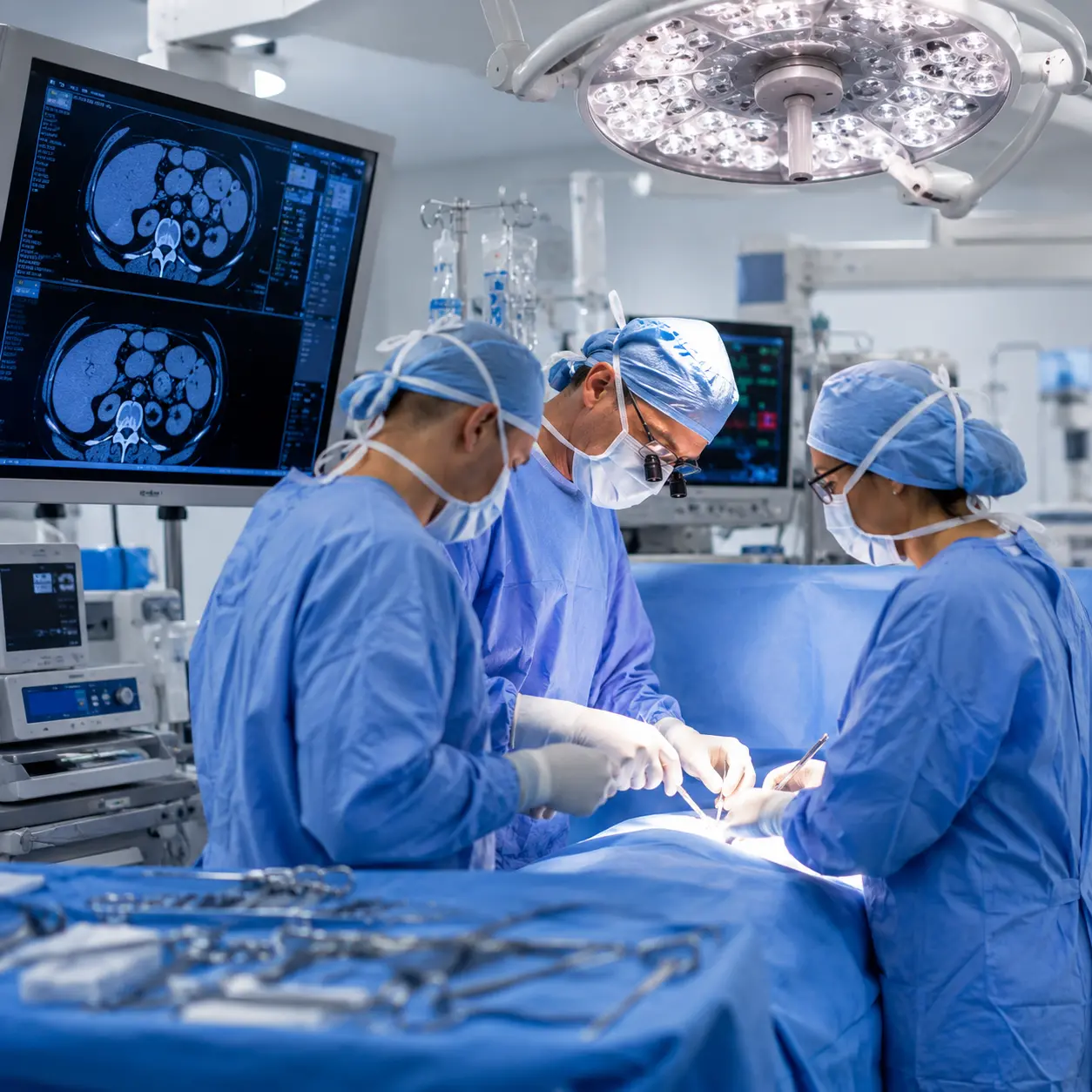
Surgical Oncology at Karolinska University Hospital
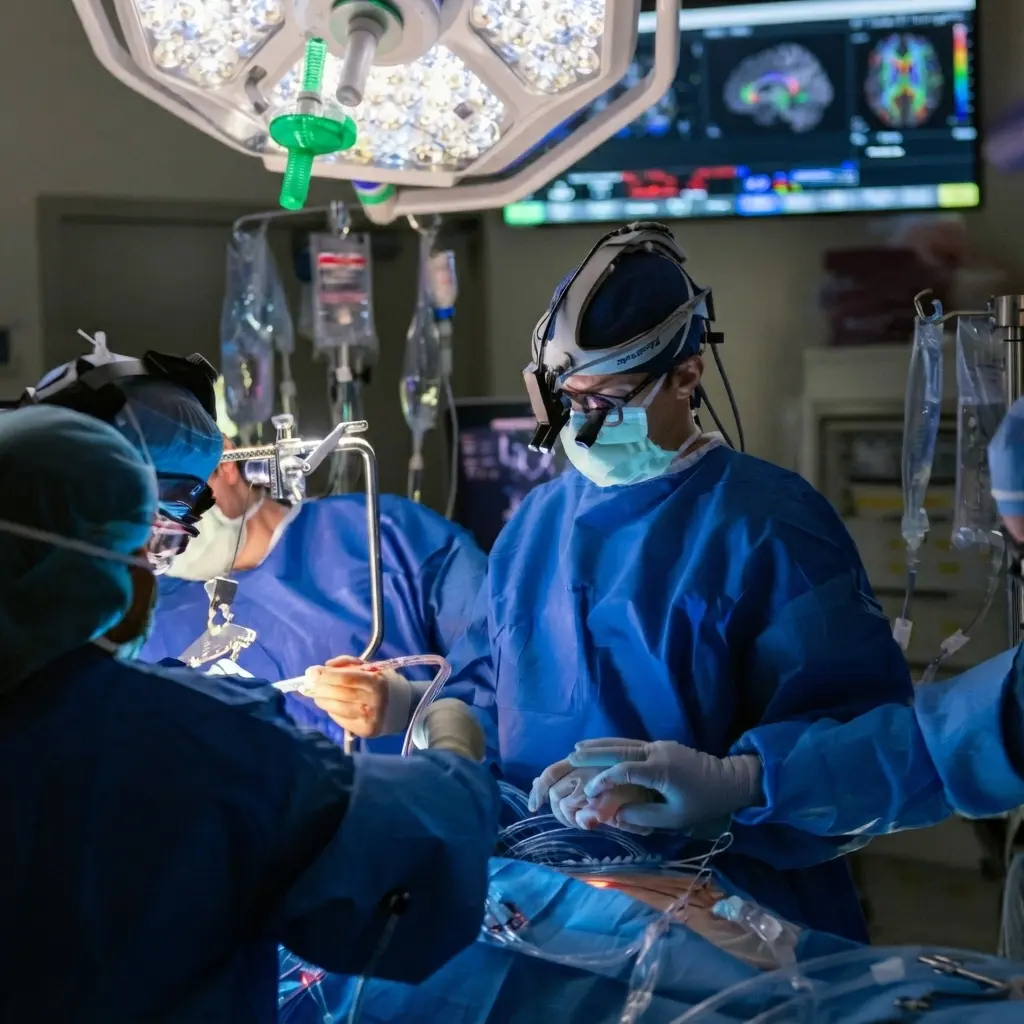
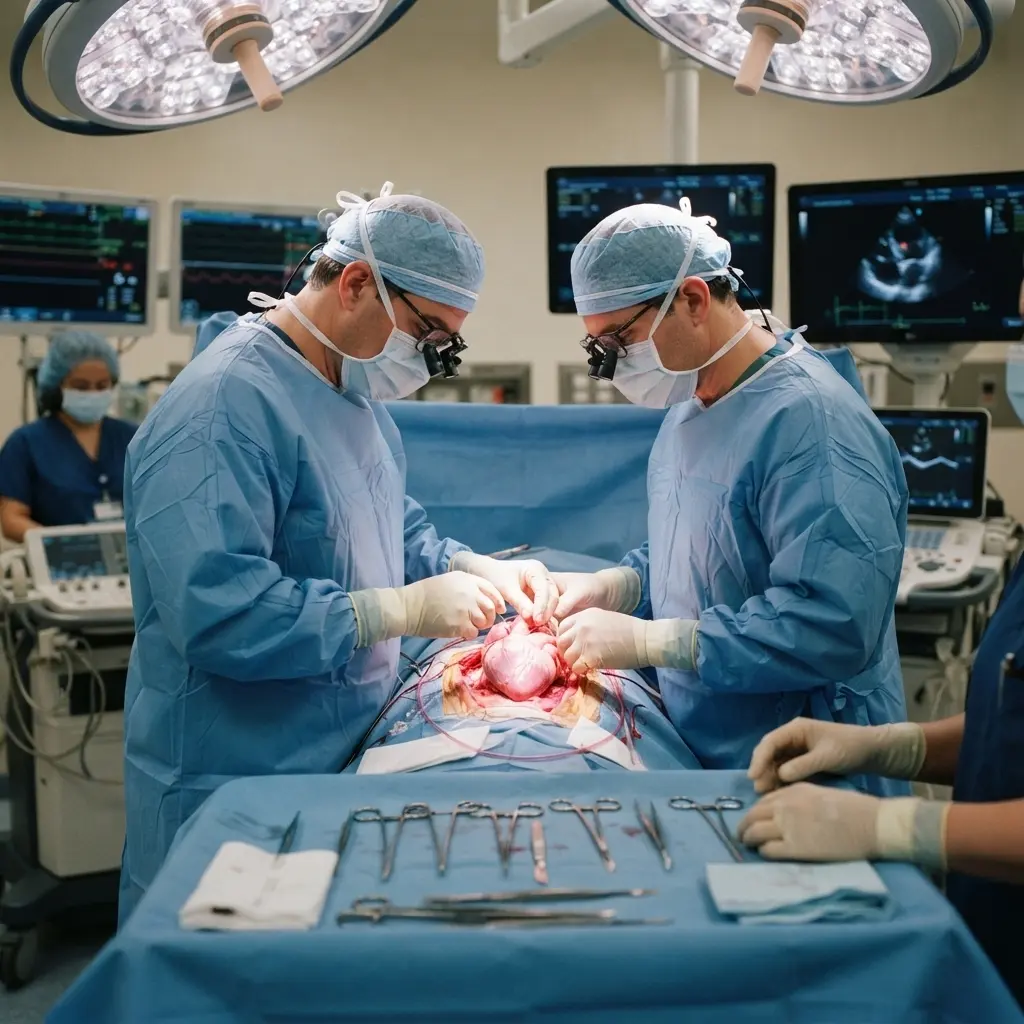
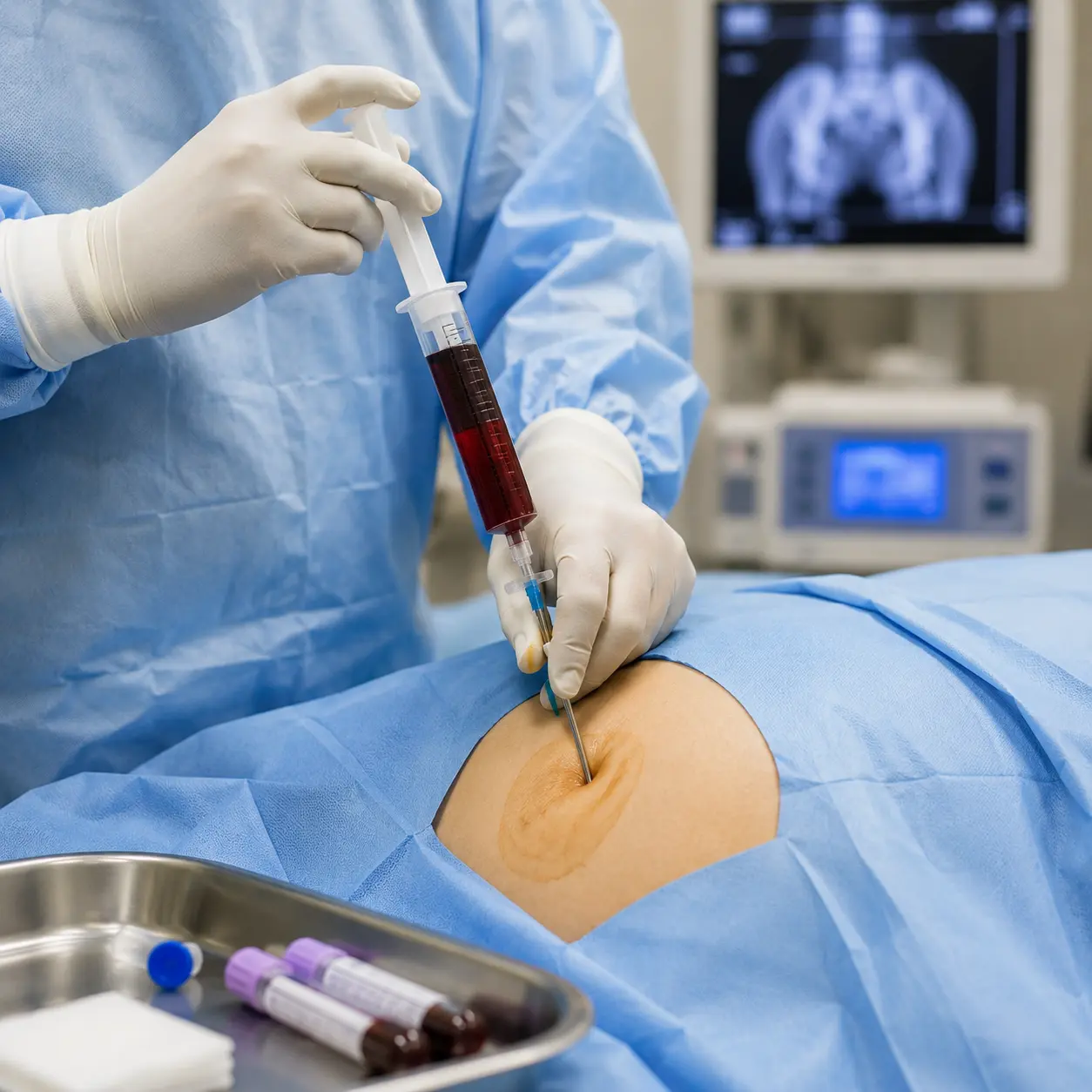
Surgical Oncology provides specialized surgical assessment and treatment for patients with cancer. Depending on the cancer type and stage, treatment may involve tumor removal, cancer surgery, lymph-node surgery, complex oncological procedures and multidisciplinary treatment planning.
Price
Price on Request
Why Price on Request?
The cost of surgical oncology varies according to the type, location and stage of cancer, complexity of surgery, diagnostic investigations, anesthesia, hospitalization, pathology, reconstruction and follow-up care. A personalized cost estimate can be provided after specialist assessment.
Complete Description
What Is Surgical Oncology?
Surgical Oncology is a specialized area of cancer care focused on the surgical treatment of tumors and certain cancer-related conditions.
Surgery may be used to:
Remove cancerous tumors
Obtain tissue for diagnosis
Remove affected lymph nodes
Reduce tumor burden
Treat selected recurrent cancers
Support combined cancer treatment
Who May Need Surgical Oncology?
Surgical oncology may be considered for patients with:
Localized tumors
Resectable cancers
Certain recurrent cancers
Tumors requiring biopsy
Cancers involving lymph nodes
Selected metastatic cancers
Complex tumors requiring multidisciplinary assessment
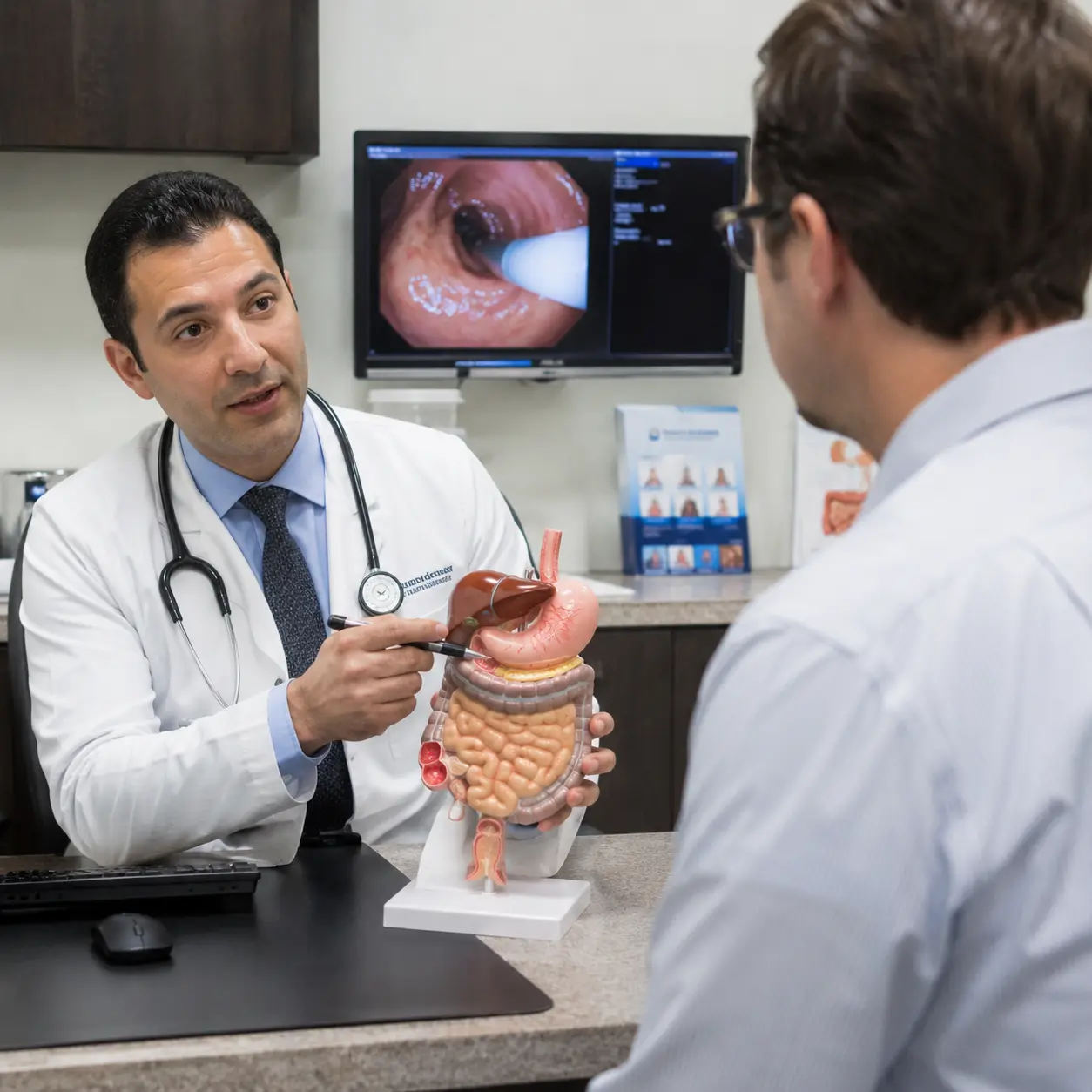
Surgical Cancer Evaluation
Before surgery, specialists may review:
Cancer diagnosis
Tumor type
Tumor size
Cancer stage
Pathology
Imaging
Previous treatments
Overall health
This assessment helps determine whether surgery is appropriate.
Cancer Imaging Before Surgery
Preoperative imaging may include:
CT
MRI
PET imaging
Ultrasound
X-rays
Other specialized investigations
Imaging helps define tumor location and potential involvement of surrounding structures.
Tumor Removal Surgery
The primary goal of cancer surgery may be to remove the tumor while preserving surrounding healthy tissue whenever clinically possible.
The surgical approach depends on:
Tumor location
Tumor size
Cancer type
Stage
Relationship with surrounding structures
Lymph Node Surgery
For selected cancers, nearby lymph nodes may be assessed or removed.
Lymph-node evaluation can help:
Determine cancer spread
Establish cancer stage
Guide further treatment planning
Complex Cancer Surgery
Some tumors require highly specialized procedures because they are located near important organs, blood vessels or other critical structures.
Complex surgery may require multidisciplinary planning involving several medical specialties.
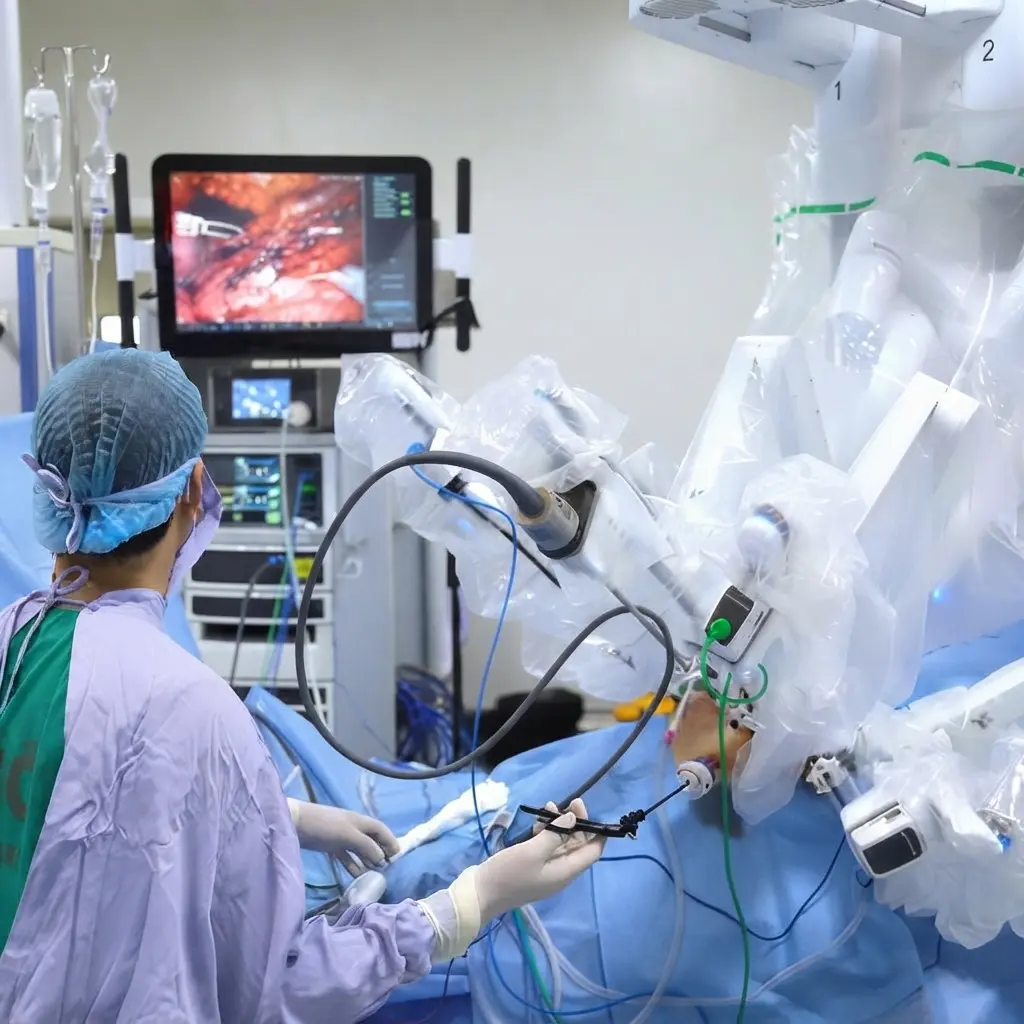
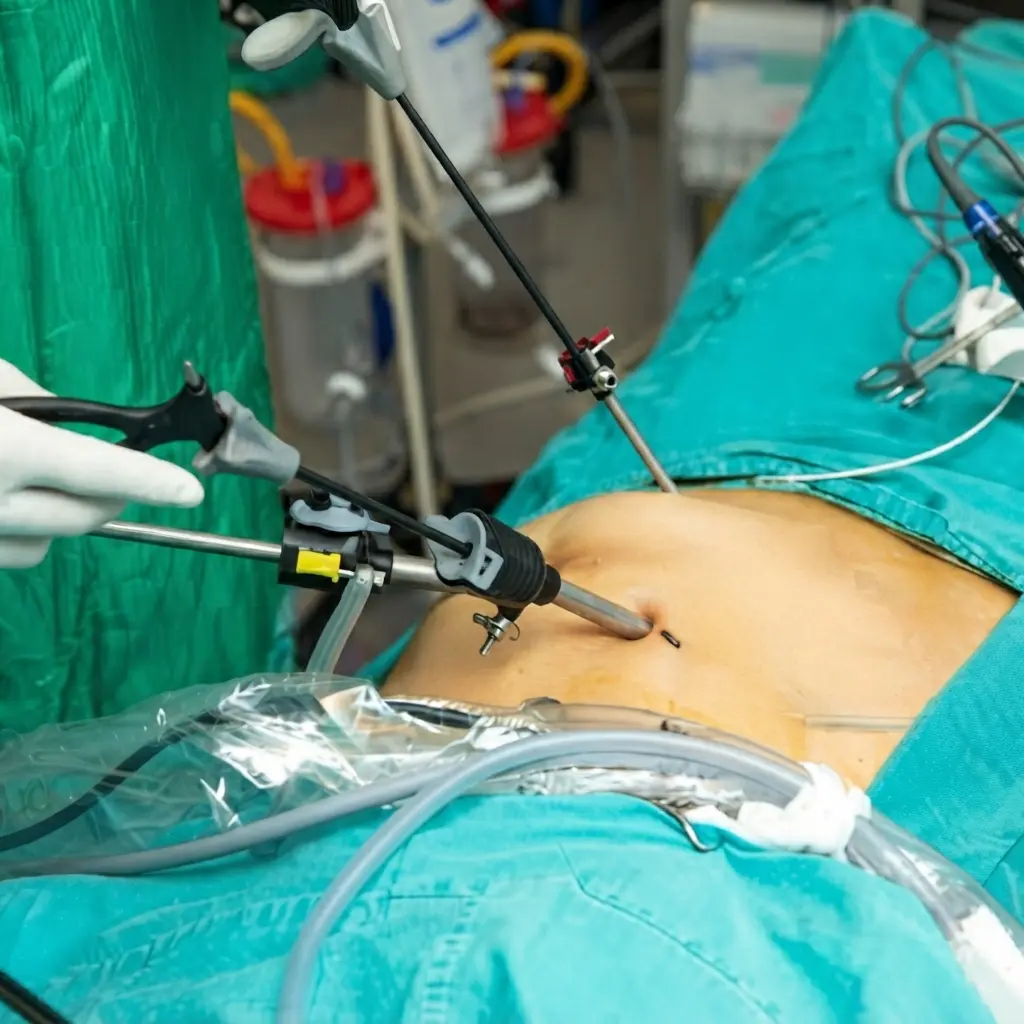
Minimally Invasive Cancer Surgery
Selected cancer operations may be performed using minimally invasive surgical techniques.
Potential advantages in appropriate patients may include:
Smaller surgical incisions
Reduced tissue disruption
Potentially shorter recovery
Reduced postoperative discomfort
The appropriate approach depends on the cancer and surgical requirements.
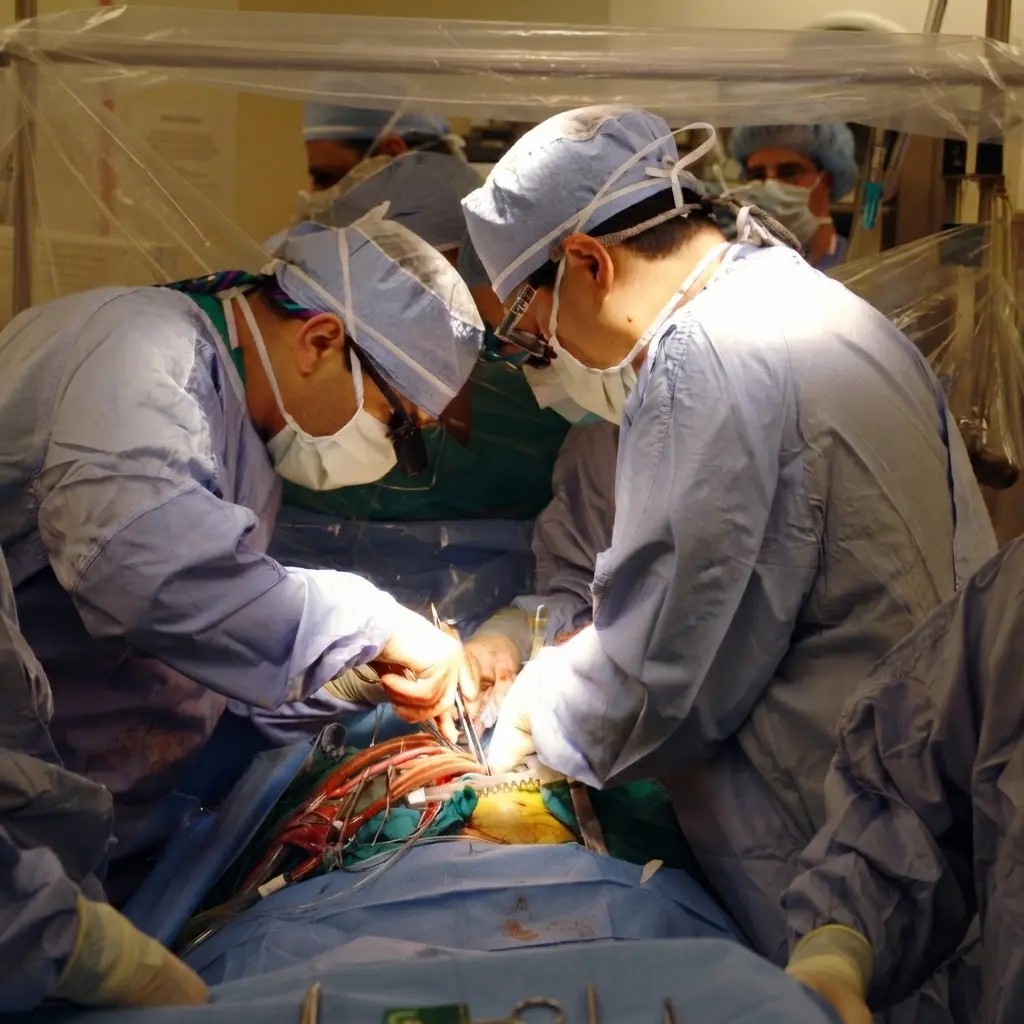
Open Cancer Surgery
Traditional open surgery may be recommended when extensive access is required.
The decision between open and minimally invasive surgery depends on:
Tumor characteristics
Surgical objectives
Patient anatomy
Cancer stage
Specialist assessment
Reconstructive Considerations
Some cancer operations may require reconstruction or restoration of affected structures.
Reconstructive planning depends on:
Cancer location
Extent of tissue removal
Functional requirements
Individual patient needs
Multidisciplinary Surgical Oncology
Complex cancer cases may involve collaboration between:
Surgical oncologists
Medical oncologists
Radiation oncologists
Radiologists
Pathologists
Specialist surgeons
Anesthesiologists
Rehabilitation professionals
Preoperative Assessment
Before cancer surgery, patients may undergo:
Blood tests
Imaging
Anesthesia assessment
Cardiovascular evaluation when appropriate
Medication review
Nutritional assessment
Surgical risk assessment
Postoperative Cancer Care
After surgery, patients may require monitoring of:
Surgical recovery
Pain
Wound healing
Neurological or organ function where relevant
Infection
Pathology results
Overall recovery
Pathology After Cancer Surgery
Surgical specimens may undergo pathological examination to determine:
Tumor type
Tumor grade
Surgical margins
Lymph-node involvement
Other relevant pathological characteristics
These findings can help guide additional cancer treatment.
Additional Treatment After Surgery
Depending on the cancer, patients may require additional treatment after surgery, such as:
Chemotherapy
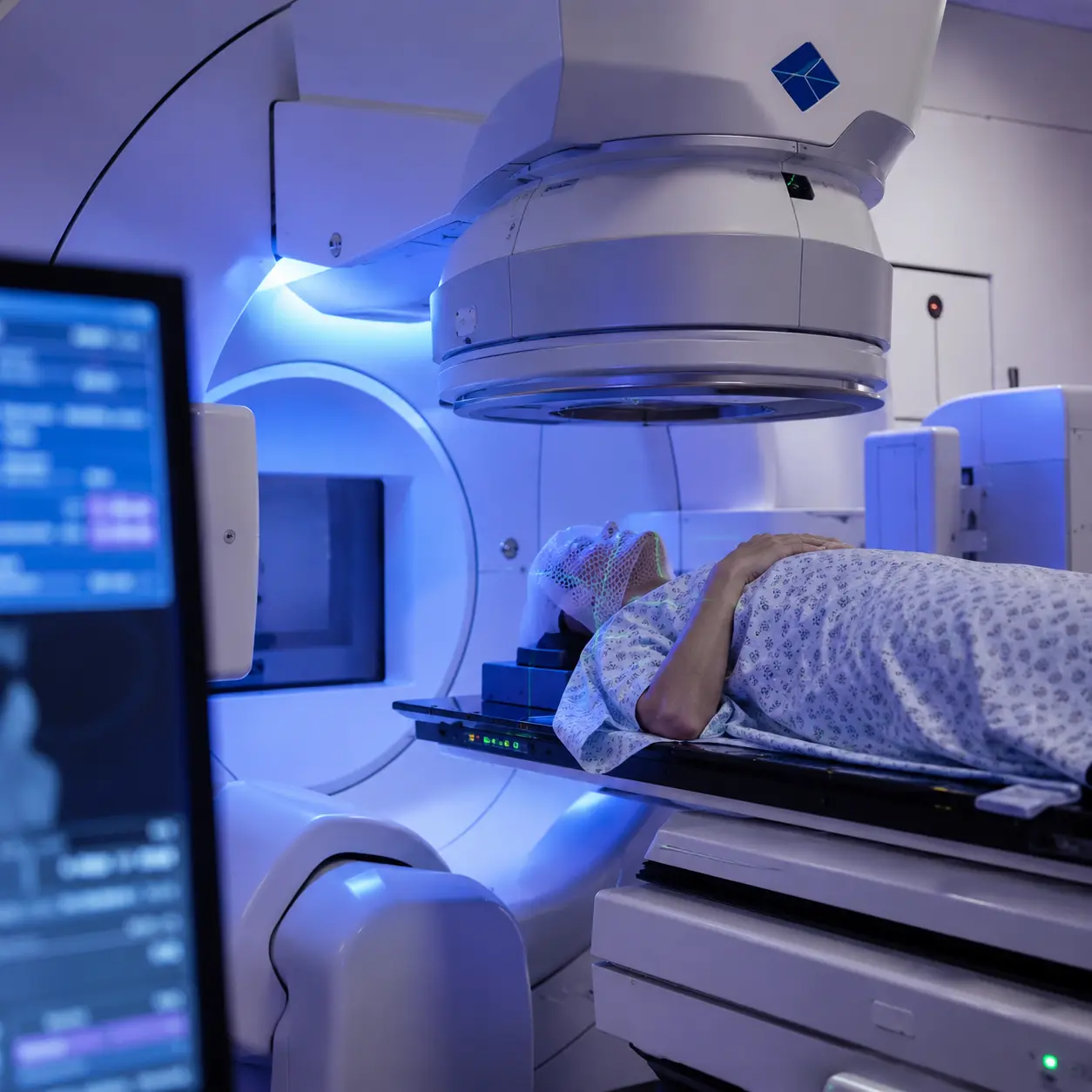
Radiation therapy
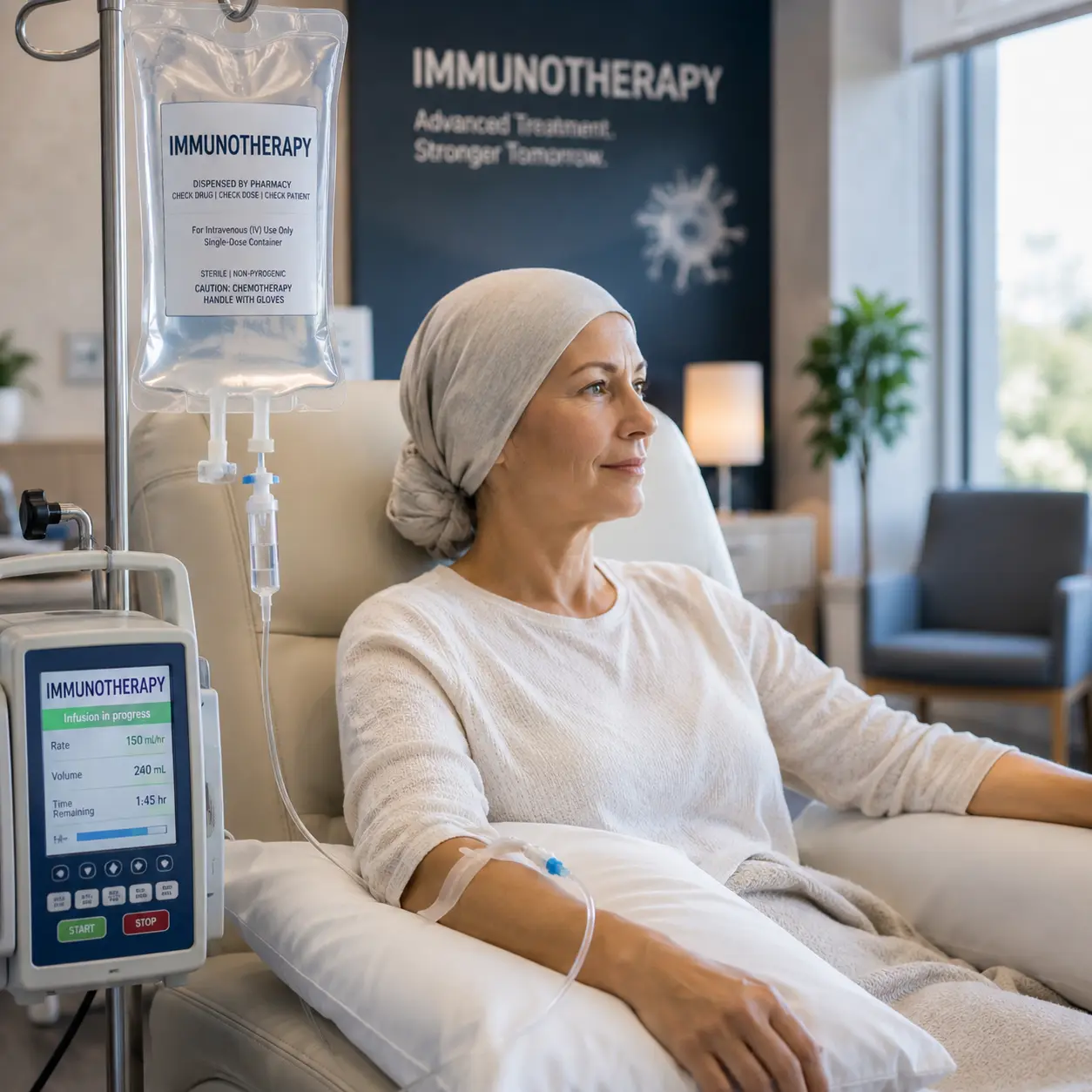
Immunotherapy
Targeted therapy
Hormone therapy
The need for additional treatment depends on the individual diagnosis.
Cancer Surgery Second Opinion
Patients may seek a surgical oncology second opinion regarding:
Recommended cancer surgery
Operability
Surgical approach
Extent of surgery
Lymph-node surgery
Risks and expected outcomes
Additional treatment options
Relevant imaging, pathology and medical records can be reviewed by specialists.
International Patient Surgical Oncology
International patients seeking surgical oncology in Sweden should provide relevant medical documentation whenever available.
Useful records may include:
Biopsy and pathology reports
CT or MRI scans
PET imaging
Oncology reports
Previous surgical reports
Laboratory results
Previous treatment records
Medication list
Complete documentation can help specialists evaluate the cancer and determine an appropriate surgical pathway.
Benefits of Specialized Surgical Oncology
Specialized surgical oncology may help:
Evaluate whether cancer is surgically treatable
Remove selected tumors
Assess lymph-node involvement
Obtain diagnostic tissue
Perform complex cancer surgery
Coordinate multidisciplinary treatment
Support postoperative cancer management
Determine the need for additional therapy
Provide specialist surgical second opinions
Why Choose Karolinska University Hospital for Surgical Oncology?
Karolinska University Hospital is a major university hospital in Sweden providing specialized cancer surgery and multidisciplinary oncology care.
Patients with complex or surgically treatable cancers may be assessed through relevant surgical oncology services according to their diagnosis, medical needs and eligibility.
The specific surgical approach depends on specialist assessment.
Cost & Price on Request
Price: Price on Request
The total cost depends on the cancer type and complexity of the surgical treatment.
Potential costs may include:
Surgical oncology consultation
Diagnostic imaging
Preoperative testing
Anesthesia
Cancer surgery
Lymph-node surgery
Pathology
Hospitalization
Postoperative monitoring
Rehabilitation
Follow-up care
A personalized cost estimate can be requested following specialist assessment.
Frequently Asked Questions
1. What cancers can be treated with surgical oncology?
Surgical oncology may be used for many types of cancer when surgery is clinically appropriate. The treatment approach depends on the cancer type, stage and location.
2. Is cancer surgery always required?
No. Some cancers are treated primarily with medicines, radiation or other approaches. Surgery is recommended only when appropriate.
3. What happens after cancer surgery?
Patients may undergo pathology assessment and follow-up to determine whether additional treatments such as chemotherapy or radiation therapy are required.
4. Can I get a surgical oncology second opinion in Sweden?
Patients may request specialist review of their diagnosis, imaging and proposed cancer surgery, subject to applicable hospital requirements.
5. Can international patients receive surgical oncology in Sweden?
International patients may request specialist assessment and treatment subject to applicable hospital processes, medical requirements, eligibility and program availability.
Product Details
Product Name: Surgical Oncology
Hospital: Karolinska University Hospital
Brand: Karolinska University Hospital
Country: Sweden
Specialty: Oncology & Cancer Care
Service Type: Surgical Oncology
Customer-Facing Price: Price on Request
International Patients: Subject to applicable eligibility and program requirements
Location: Stockholm, Sweden
Related products





Frequently Bought Together
No frequently bought products found!
Products from this Seller
View All




Chemotherapy at Mayo Clinic
Immunotherapy at Mayo Clinic
Medical Tourism





Share with Friends
Trading is more effective when you share products with friends!Share you link
Share to