













Sports Injury Treatment at Karolinska University Hospital
Sports Injury Treatment provides specialized evaluation and management for injuries affecting the muscles, bones, joints, ligaments and tendons. Treatment may include conservative care, rehabilitation, physiotherapy and surgical evaluation depending on the type and severity of the injury.
Price
Price on Request
Why Price on Request?
The cost varies according to the type and severity of injury, diagnostic imaging, specialist consultation, treatment requirements, rehabilitation and possible surgery. A personalized cost estimate can be provided after specialist assessment.
Complete Description
What Is Sports Injury Treatment?
Sports injury treatment focuses on diagnosing and managing injuries that occur during sports, exercise or physically demanding activities.
Common injuries may involve:
Knee
Shoulder
Ankle
Hip
Elbow
Wrist
Muscles
Ligaments
Tendons
Who May Need Sports Injury Treatment?
Treatment may be appropriate for patients experiencing:
Sports-related injuries
Joint pain after physical activity
Muscle injuries
Ligament injuries
Tendon injuries
Repetitive-use injuries
Sports-related fractures
Persistent pain affecting athletic performance
Sports Injury Evaluation
Specialists may assess:
Mechanism of injury
Pain location
Swelling
Joint movement
Muscle strength
Joint stability
Previous injuries
Physical activity level
Sports Injury Imaging
Depending on the injury, diagnostic imaging may include:
X-rays
MRI
CT scans
Ultrasound
Other specialized investigations
Ligament Injuries
Ligament injuries can affect joints such as the knee and ankle.
Treatment depends on:
Severity of injury
Joint stability
Activity requirements
Associated injuries
Response to conservative treatment
Tendon Injuries
Tendon problems may develop from acute injury or repetitive physical activity.
Management may include:
Activity modification
Rehabilitation
Physiotherapy
Specialist treatment
Surgical evaluation when appropriate
Muscle Injuries
Sports-related muscle injuries may involve strains or tears.
Assessment helps determine the severity and appropriate rehabilitation plan.
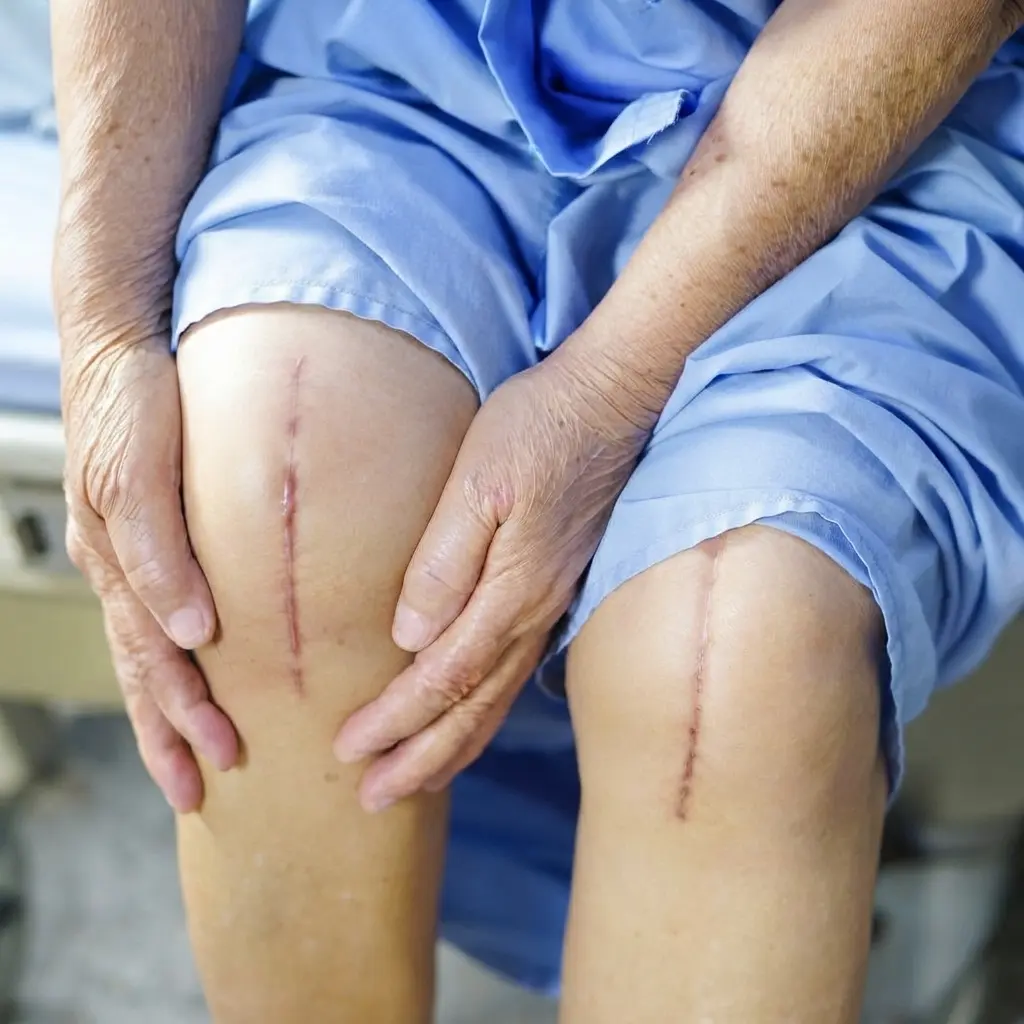
Knee Sports Injuries
Knee injuries may involve:
Ligament injuries
Meniscus injuries
Cartilage damage
Tendon injuries
Other sports-related joint problems
Selected injuries may require orthopedic surgery.
Shoulder Sports Injuries
Sports involving repetitive overhead movements or contact may cause shoulder injuries.
Evaluation may include assessment of:
Rotator cuff
Shoulder stability
Tendons
Joint structures
Ankle Sports Injuries
Ankle injuries may include:
Ligament sprains
Tendon injuries
Fractures
Joint instability
Treatment depends on the severity and structural damage.
Non-Surgical Sports Injury Treatment
Depending on the injury, treatment may include:
Rest and activity modification
Physiotherapy
Rehabilitation exercises
Bracing
Pain management
Gradual return-to-activity programs
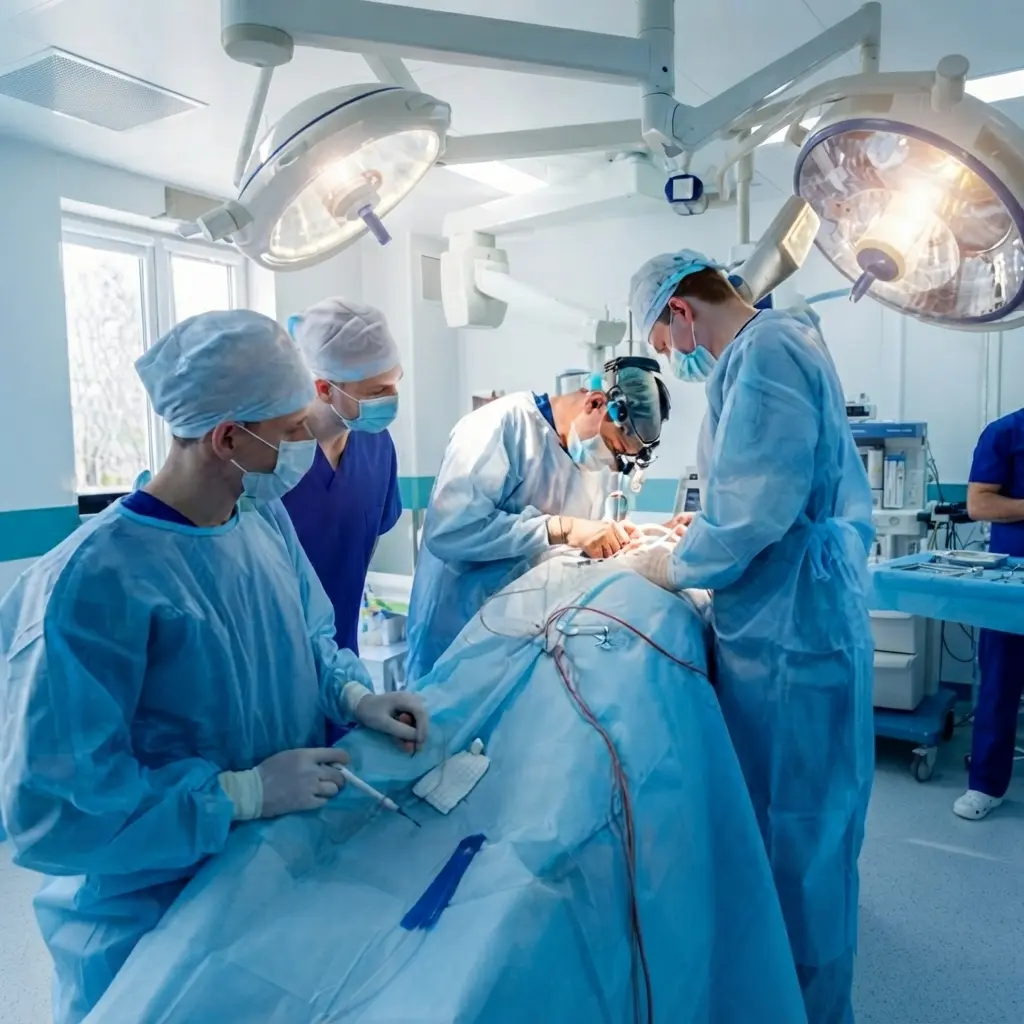
Sports Injury Surgery
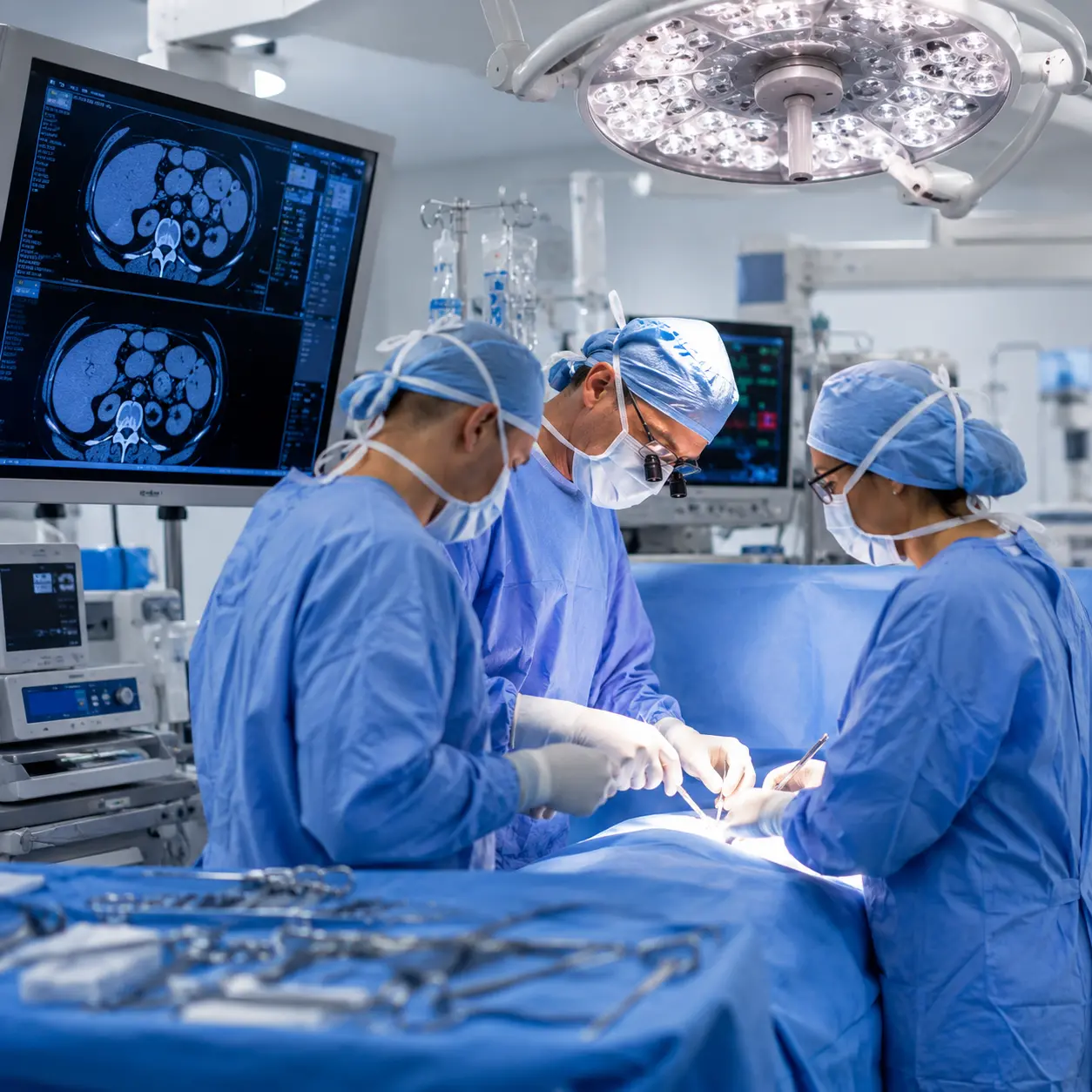
Selected serious injuries may require surgery.
Surgical evaluation may be considered for:
Significant ligament tears
Certain tendon injuries
Structural joint damage
Some cartilage injuries
Injuries causing persistent instability
Sports Rehabilitation
Rehabilitation may focus on:
Restoring movement
Building strength
Improving balance
Improving joint stability
Preventing reinjury
Supporting safe return to sports
Return-to-Sport Assessment
Before returning to demanding physical activity, specialists may assess:
Strength
Flexibility
Balance
Joint stability
Functional movement
Sport-specific performance
Sports Injury Second Opinion
Patients may seek a sports injury second opinion regarding:
Diagnosis
Imaging results
Need for surgery
Rehabilitation plan
Return-to-sport timing
Previous treatment
International Patient Sports Injury Treatment
International patients seeking sports injury treatment in Sweden should provide relevant medical documentation whenever available.
Useful records may include:
X-rays
MRI or CT scans
Previous orthopedic reports
Surgical records
Physiotherapy reports
Previous treatment history
Benefits of Specialized Sports Injury Care
Specialized care may help:
Identify the exact injury
Assess joint and tissue damage
Determine surgical suitability
Develop rehabilitation plans
Improve functional recovery
Support return to physical activity
Reduce the risk of reinjury
Provide specialist second opinions
Why Choose Karolinska University Hospital for Sports Injury Treatment?
Karolinska University Hospital is a major university hospital in Sweden providing specialized orthopedic, surgical and rehabilitation-related care.
Patients with complex sports injuries may be assessed through appropriate specialist services according to their diagnosis, medical needs and eligibility.
The specific treatment pathway depends on specialist assessment.
Cost & Price on Request
Price: Price on Request
Potential costs may include:
Orthopedic consultation
Diagnostic imaging
Specialist assessment
Physiotherapy
Rehabilitation
Surgical treatment when required
Hospitalization
Follow-up care
A personalized cost estimate can be requested following specialist assessment.
Frequently Asked Questions
1. What sports injuries can be treated?
Sports injury care may include injuries affecting muscles, tendons, ligaments, bones and joints, including selected knee, shoulder and ankle injuries.
2. Do all sports injuries require surgery?
No. Many sports injuries can be managed with rehabilitation, physiotherapy and other non-surgical approaches.
3. How is a sports injury diagnosed?
Diagnosis may involve physical examination and, when appropriate, X-rays, MRI, CT or ultrasound.
4. Can I get a sports injury second opinion in Sweden?
Patients may request specialist review of their diagnosis, imaging and treatment plan, subject to applicable hospital requirements.
5. Can international patients receive sports injury treatment in Sweden?
International patients may request specialist assessment and treatment subject to applicable hospital processes, medical requirements, eligibility and program availability.
Product Details
Product Name: Sports Injury Treatment
Hospital: Karolinska University Hospital
Brand: Karolinska University Hospital
Country: Sweden
Specialty: Orthopedic Surgery
Service Type: Sports Injury Treatment
Customer-Facing Price: Price on Request
International Patients: Subject to applicable eligibility and program requirements
Location: Stockholm, Sweden
Related products
Frequently Bought Together
No frequently bought products found!
Products from this Seller
View All






Chemotherapy at Mayo Clinic
Immunotherapy at Mayo Clinic
Medical Tourism





Share with Friends
Trading is more effective when you share products with friends!Share you link
Share to