














Spine Surgery at Massachusetts General Hospital
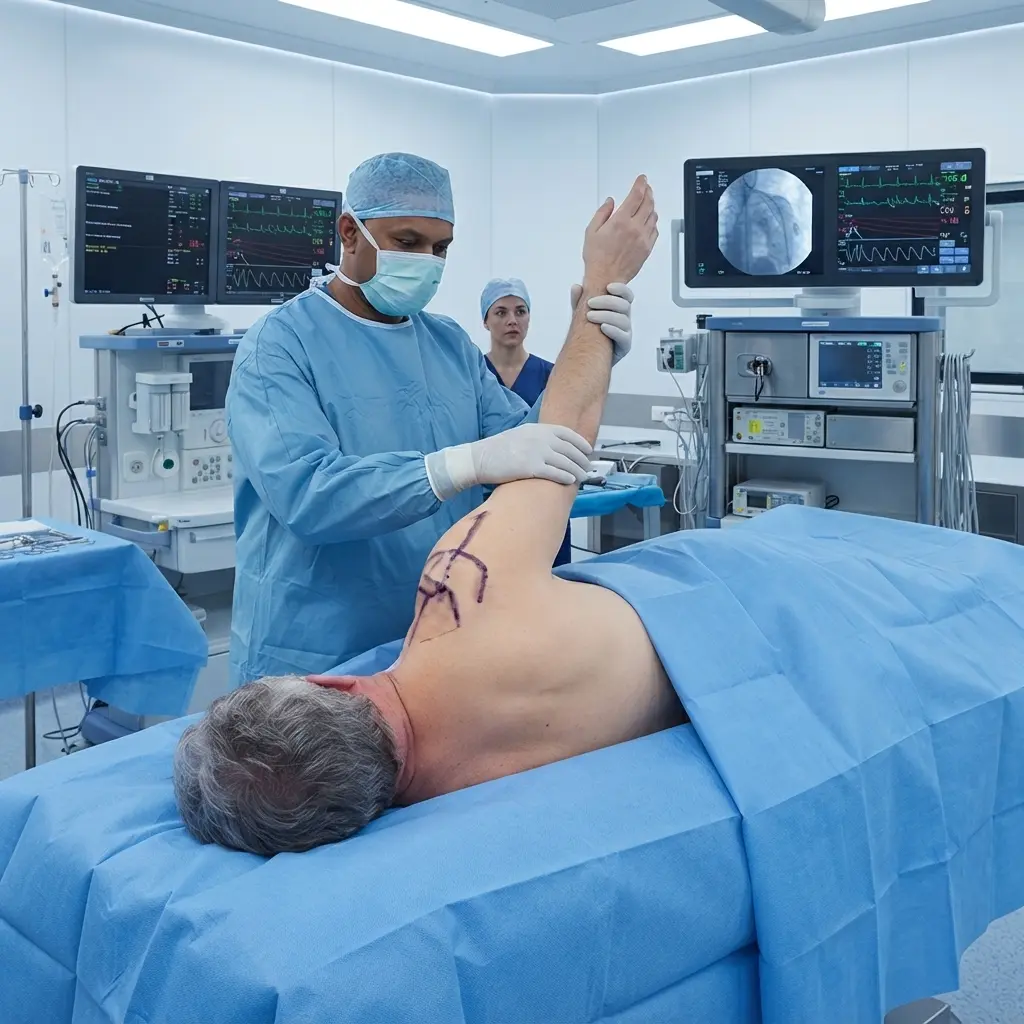
Spine Surgery at Massachusetts General Hospital provides specialized evaluation and surgical treatment for selected conditions affecting the spine, spinal cord, discs and nerve roots. Depending on the diagnosis, treatment may include spinal decompression, fusion, minimally invasive procedures, deformity correction and complex spine surgery.
Price
Why Price on Request?
The cost depends on the spinal condition, complexity of surgery, imaging, surgical technique, anesthesia, implants, hospitalization and rehabilitation required. A personalized estimate can be provided according to the patient's treatment plan.
Complete Description
What Is Spine Surgery?
Spine surgery includes procedures designed to treat selected conditions affecting the vertebrae, discs, spinal cord and nerve roots when surgical treatment is clinically appropriate.
Who May Need Spine Surgery?
Patients may be evaluated for surgery for:
Spinal stenosis
Herniated discs
Nerve compression
Spinal cord compression
Spinal tumors
Spinal deformities
Instability
Complex degenerative spine conditions
Spine Consultation
A specialist may review:
Back or neck pain
Weakness
Numbness
Tingling
Walking difficulties
Previous injuries
Previous spine surgery
Medical history
Diagnostic imaging
Spine Imaging
Evaluation may include:
X-rays
MRI
CT scans
Other specialized imaging
Imaging helps identify structural abnormalities and supports surgical planning.
Spinal Decompression
Decompression surgery is designed to relieve pressure on the spinal cord or nerve roots.
It may be considered for selected patients with significant nerve or spinal cord compression.
Spinal Fusion
Spinal fusion may be performed when stabilization of one or more spinal segments is necessary.
It may be considered for selected conditions involving:
Instability
Degeneration
Deformity
Certain spinal injuries
Herniated Disc Surgery
A herniated disc can place pressure on nearby nerves.
For selected patients with persistent or significant symptoms, surgery may be considered to relieve nerve compression.
Spinal Stenosis Surgery
Spinal stenosis can narrow the spinal canal and place pressure on neural structures.
Surgical decompression may be considered for appropriately selected patients.
Cervical Spine Surgery
Cervical spine procedures may treat selected conditions involving the neck, spinal cord or nerve roots.
Procedures may include:
Decompression
Fusion
Other specialized cervical procedures
Lumbar Spine Surgery
Lumbar spine surgery may address selected conditions affecting the lower back, including:
Nerve compression
Disc disorders
Spinal stenosis
Instability
Complex Spine Surgery
Complex cases may involve:
Previous spinal surgery
Significant deformity
Multiple spinal levels
Tumors
Severe degeneration
Neurological compression
These cases may require detailed multidisciplinary planning.
Spinal Tumor Surgery
Selected tumors involving the spine or spinal cord may require surgical evaluation.
Treatment can involve coordination between:
Neurosurgery
Orthopedic spine specialists
Oncology
Radiation oncology
Radiology
Minimally Invasive Spine Surgery
For selected conditions, minimally invasive approaches may help reduce tissue disruption.
Suitability depends on the patient's diagnosis and anatomy.
Spinal Deformity Surgery
Specialized spine surgery may be considered for selected patients with significant spinal deformities requiring correction or stabilization.
Intraoperative Neurological Monitoring
For selected complex procedures, neurological monitoring may be used to help assess important neural structures during surgery.
Postoperative Spine Care
After surgery, patients may receive monitoring for:
Neurological function
Pain
Mobility
Wound healing
Spinal stability
Potential complications
Spine Rehabilitation
Recovery may include:
Physical therapy
Strengthening
Mobility training
Functional rehabilitation
Gradual return to normal activities
Spine Surgery Second Opinion
Patients may seek a second opinion regarding:
Need for surgery
Decompression
Fusion
Disc surgery
Deformity correction
Tumor surgery
Minimally invasive approaches
Nonsurgical alternatives
International Patients
International patients should provide:
MRI/CT scans
X-rays
Spine specialist reports
Previous surgical records
Laboratory results
Medication list
Previous treatment history
Benefits of Specialized Spine Surgery
Specialized spine services may provide:
Detailed neurological and orthopedic evaluation
Advanced imaging review
Personalized surgical planning
Decompression procedures
Spinal fusion
Minimally invasive techniques
Complex spine surgery
Rehabilitation coordination
Why Choose Massachusetts General Hospital for Spine Surgery?
Massachusetts General Hospital provides multidisciplinary spine care for complex conditions involving the spine, spinal cord and nerve roots, with collaboration between neurosurgical, orthopedic, neurological, oncology and rehabilitation specialists when appropriate.
Cost & Price on Request
Price: Price on Request
Potential costs may include:
Spine consultation
MRI/CT/X-rays
Preoperative testing
Surgeon fees
Anesthesia
Surgery
Implants
Hospitalization
Medications
Rehabilitation
Follow-up care
A personalized cost estimate should be requested according to the patient's diagnosis and procedure.
Frequently Asked Questions
1. What conditions can require spine surgery?
Selected patients with spinal stenosis, herniated discs, nerve compression, spinal deformity, instability and spinal tumors may require surgery.
2. Does every patient with back pain need surgery?
No. Many spinal conditions can be managed with nonsurgical treatments. Surgery is considered when clinically appropriate.
3. What is spinal decompression?
Spinal decompression is a procedure intended to relieve pressure on the spinal cord or nerve roots.
4. What is spinal fusion?
Spinal fusion is a procedure used in selected cases to stabilize spinal segments.
5. How much does spine surgery cost?
Price is available on request. Costs depend on the procedure, imaging, implants, anesthesia, hospitalization and rehabilitation.
Product Details
Product Name: Spine Surgery at Massachusetts General Hospital
Hospital: Massachusetts General Hospital
Brand: Massachusetts General Hospital
Country: United States
Specialty: Orthopadic Surgery & Sports Medicine
Service Type: Spine Surgery
Customer-Facing Price: Price on Request
International Patients: Available
Location: Boston, Massachusetts, USA
Related products








Frequently Bought Together
No frequently bought products found!
Products from this Seller
View All











Chemotherapy at Mayo Clinic

Immunotherapy at Mayo Clinic





Medical Tourism





Share with Friends
Trading is more effective when you share products with friends!Share you link
Share to