













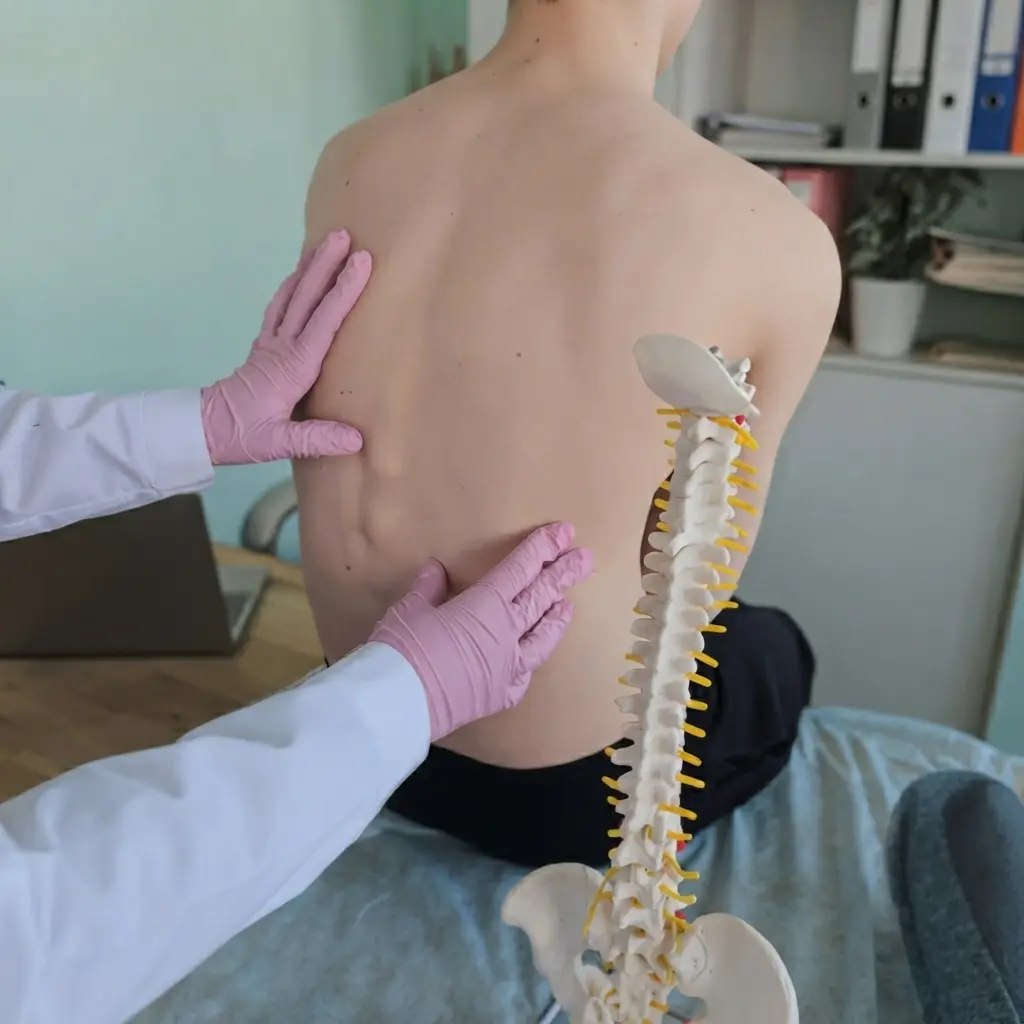
Spinal Neurosurgery at Toronto General Hospital
Spinal Neurosurgery provides specialized surgical evaluation and treatment for selected conditions affecting the spine, spinal cord and nerves. Care may include neurological assessment, advanced spinal imaging, surgical planning and postoperative management when conservative treatment is insufficient or neurological problems require surgical intervention.
Price
Price on Request
Why Price on Request?
The cost of spinal neurosurgery varies according to the type and severity of the spinal condition, complexity of surgery, diagnostic imaging, anesthesia, hospitalization, surgical materials, postoperative monitoring and rehabilitation requirements. A personalized cost estimate can be provided after specialist assessment.
Complete Description
What Is Spinal Neurosurgery?
Spinal Neurosurgery is a specialized surgical field focused on selected conditions affecting the spinal cord, nerves and structures of the spine.
Surgical assessment may be considered when a condition causes:
Spinal cord compression
Nerve compression
Neurological symptoms
Significant pain
Weakness or numbness
Walking difficulties
Structural instability
Other problems requiring specialized surgical care
The appropriate treatment depends on the diagnosis and individual clinical findings.
Who May Need Spinal Neurosurgery?
Patients may be referred for spinal neurosurgical assessment when they have conditions such as:
Spinal cord compression
Nerve compression
Spinal tumors
Certain degenerative spinal conditions
Spinal stenosis
Herniated discs with neurological complications
Spinal deformities
Spinal instability
Certain traumatic spinal conditions
Not every spinal condition requires surgery. Specialist assessment is necessary.
Spinal Neurosurgical Evaluation
Before surgery is considered, specialists may review:
Medical history
Neurological symptoms
Physical examination
Previous treatments
MRI or CT imaging
Laboratory results
Medication history
Previous spinal procedures
Other medical conditions
This assessment helps determine whether surgical treatment may be appropriate.
Neurological Examination
A neurological examination may assess:
Muscle strength
Reflexes
Sensation
Coordination
Walking ability
Balance
Muscle tone
Nerve function
The examination helps identify whether the spinal condition is affecting the spinal cord or nerves.
Spinal MRI and Diagnostic Imaging
Imaging plays an important role in spinal neurosurgical planning.
Depending on the condition, investigations may include:
MRI of the spine
CT scan
X-rays
CT myelography
Other specialized spinal imaging
Imaging helps identify compression, tumors, structural abnormalities and other spinal problems.
Spinal Cord Compression
Compression of the spinal cord can cause neurological symptoms and may require urgent or specialized assessment.
Possible symptoms include:
Weakness
Numbness
Balance difficulties
Walking problems
Changes in coordination
Changes in bladder or bowel function
The urgency of treatment depends on the cause and severity of spinal cord compression.
Nerve Compression
Nerve compression can cause symptoms such as:
Radiating pain
Numbness
Tingling
Weakness
Changes in sensation
When symptoms are severe, persistent or associated with neurological impairment, surgical assessment may be considered.
Spinal Tumor Surgery
Selected spinal tumors may require neurosurgical evaluation.
Treatment planning may consider:
Tumor location
Tumor size
Spinal cord involvement
Nerve involvement
Imaging findings
Pathology
Previous treatment
Surgery may be used to remove or biopsy a tumor or relieve pressure on the spinal cord or nerves when clinically appropriate.
Spinal Stenosis Assessment
Spinal stenosis involves narrowing of spaces within the spine that can potentially compress nerves or the spinal cord.
Assessment may consider:
Pain
Numbness
Weakness
Walking limitations
Balance difficulties
Imaging findings
Surgery may be considered in selected patients depending on symptoms and neurological findings.
Herniated Disc With Neurological Symptoms
A herniated disc can sometimes compress a spinal nerve.
Specialist assessment may be considered when symptoms include:
Persistent nerve pain
Numbness
Weakness
Functional limitations
Other neurological symptoms
Treatment decisions depend on the severity and duration of symptoms and response to previous treatment.
Spinal Deformity and Structural Conditions
Certain spinal deformities or structural abnormalities may require specialized surgical assessment.
Evaluation may include:
Spinal imaging
Neurological examination
Assessment of spinal alignment
Functional assessment
Review of previous treatments
The appropriate surgical approach depends on the individual condition.
Complex Spinal Surgery Planning
Complex spinal conditions may require coordinated evaluation by multiple specialists.
Depending on the patient's needs, care may involve:
Neurosurgeons
Neurologists
Orthopedic spine specialists
Neuroradiologists
Pain specialists
Rehabilitation professionals
Other healthcare specialists
Multidisciplinary assessment helps develop an individualized treatment plan.
Preoperative Assessment
Before spinal neurosurgery, patients may undergo:
Neurological examination
Medical assessment
MRI or CT imaging
Laboratory testing
Medication review
Anesthesia assessment
Cardiovascular evaluation when required
Review of previous spinal procedures
The exact preparation depends on the planned operation.
Spinal Neurosurgical Treatment Planning
The surgical team may consider:
Diagnosis
Location of spinal disease
Severity of neurological symptoms
Imaging findings
Previous treatment
Patient's overall health
Potential benefits and risks
Expected recovery
The final treatment plan is individualized for each patient.
Postoperative Spinal Neurosurgery Care
Following surgery, patients may require monitoring and rehabilitation.
Postoperative care may include:
Neurological monitoring
Pain management
Wound care
Medication management
Mobility assessment
Follow-up imaging when required
Physiotherapy
Rehabilitation
Specialist follow-up
Recovery depends on the type of procedure and the patient's clinical condition.
Spinal Neurosurgery Second Opinion
Patients may seek a spinal neurosurgery second opinion regarding:
Whether surgery is necessary
Proposed spinal procedure
MRI or CT findings
Nerve or spinal cord compression
Alternative treatment options
Complex spinal conditions
Previous surgical recommendations
Relevant medical records and imaging can be reviewed during specialist assessment.
International Patient Spinal Neurosurgery
International patients seeking spinal neurosurgical assessment in Canada should provide relevant documentation whenever available.
Useful records may include:
MRI or CT reports
Imaging files
Neurology reports
Neurosurgical reports
Previous surgical records
Laboratory results
Medication list
Physiotherapy records
Previous treatment reports
Complete records can help specialists evaluate the spinal condition and determine appropriate next steps.
Benefits of Specialized Spinal Neurosurgery
Specialized spinal neurosurgical care may help selected patients:
Receive expert spinal assessment
Evaluate spinal cord and nerve compression
Review advanced spinal imaging
Determine whether surgery is appropriate
Develop an individualized surgical plan
Obtain a spinal surgery second opinion
Coordinate complex spinal care
Receive postoperative monitoring
Access rehabilitation when required
Why Choose Toronto General Hospital for Spinal Neurosurgery?
Toronto General Hospital (TGH) is part of University Health Network (UHN) and provides specialized medical and complex care.
Patients requiring spinal neurosurgical assessment may be evaluated according to their diagnosis, neurological condition and clinical requirements through the relevant UHN programs and specialists.
The availability of a specific spinal procedure depends on the patient's medical needs and specialist assessment.
Cost & Price on Request
Price: Price on Request
The total cost depends on the spinal condition and complexity of the required treatment.
Potential costs may include:
Neurosurgical consultation
Neurological examination
MRI or CT imaging
Laboratory testing
Spinal surgery
Anesthesia
Hospitalization
Surgical materials
Postoperative monitoring
Physiotherapy
Rehabilitation
Follow-up consultations
A personalized cost estimate can be requested following specialist assessment.
Frequently Asked Questions
1. What conditions can spinal neurosurgery treat?
Spinal neurosurgery may be considered for selected conditions involving the spinal cord, nerves and spine, including spinal cord compression, nerve compression, spinal tumors and certain complex structural conditions.
2. Does every slipped or herniated disc require surgery?
No. Many disc-related conditions can be managed without surgery. Surgical assessment may be considered when symptoms persist, neurological problems develop or other clinical factors indicate a potential need for surgery.
3. What tests are usually required before spinal neurosurgery?
Depending on the condition, assessment may include neurological examination, MRI, CT imaging, X-rays and laboratory investigations.
4. Can I get a spinal surgery second opinion in Canada?
Yes. Patients may seek specialist review of their spinal diagnosis, imaging and proposed treatment, subject to applicable hospital requirements.
5. Can international patients request spinal neurosurgery assessment?
International patients may request assessment subject to applicable hospital processes, medical requirements, eligibility and program availability.
Product Details
Product Name: Spinal Neurosurgery
Hospital: Toronto General Hospital
Brand: Toronto General Hospital
Country: Canada
Specialty: Neurology & Neurosurgery
Service Type: Spinal Neurosurgery
Customer-Facing Price: Price on Request
International Patients: Subject to applicable eligibility and program requirements
Location: Toronto, Ontario, Canada
Related products








Frequently Bought Together
No frequently bought products found!
Products from this Seller
View All










Chemotherapy at Mayo Clinic

Immunotherapy at Mayo Clinic



Medical Tourism





Share with Friends
Trading is more effective when you share products with friends!Share you link
Share to