













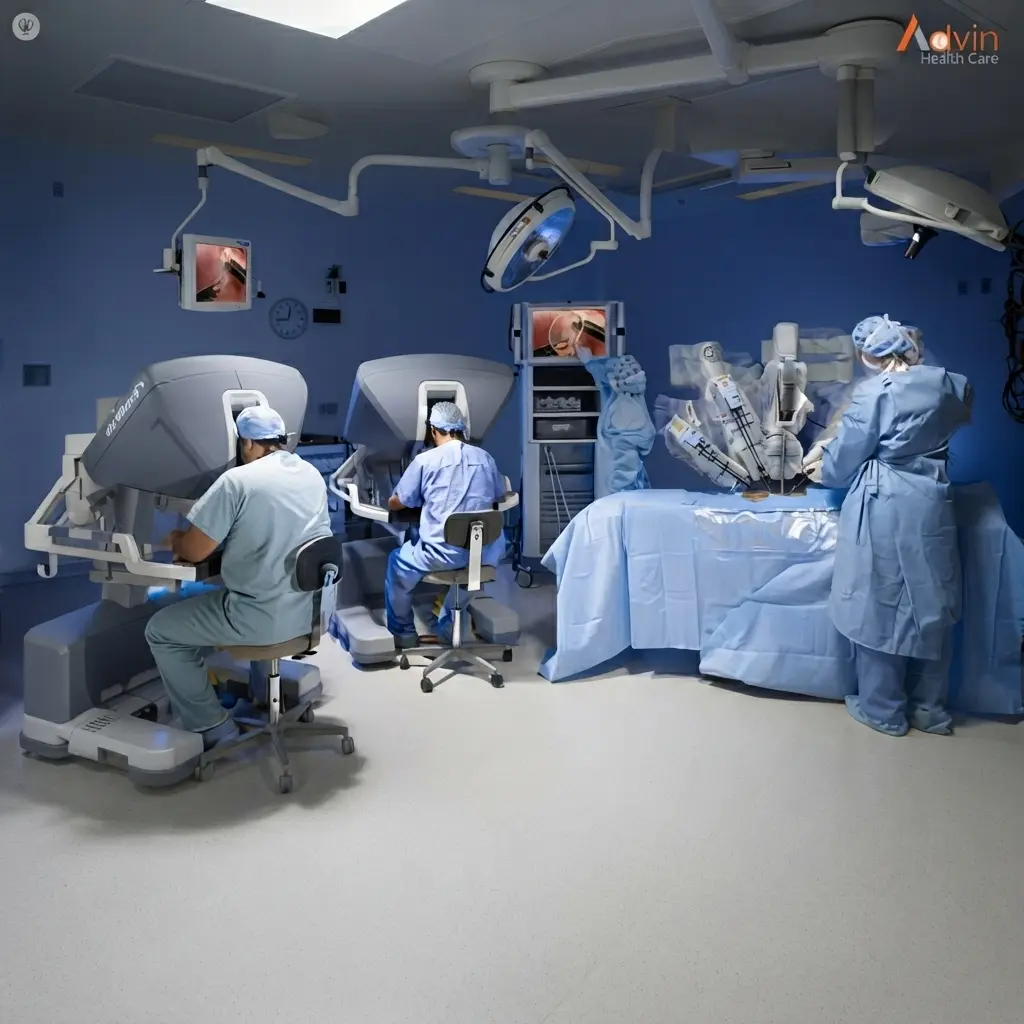
Robotic Urologic Surgery at Mayo Clinic
Robotic Urologic Surgery provides minimally invasive surgical treatment for selected urological conditions using robotic-assisted surgical technology. Depending on the diagnosis, robotic approaches may be considered for procedures involving the prostate, kidney, bladder and other urological structures.
Price
Price on Request
Why Price on Request?
The cost varies according to the specific procedure, diagnosis, surgical complexity, robotic technology, anesthesia, diagnostic testing, hospitalization and postoperative care. A personalized cost estimate can be provided after specialist assessment.
Complete Description
What Is Robotic Urologic Surgery?
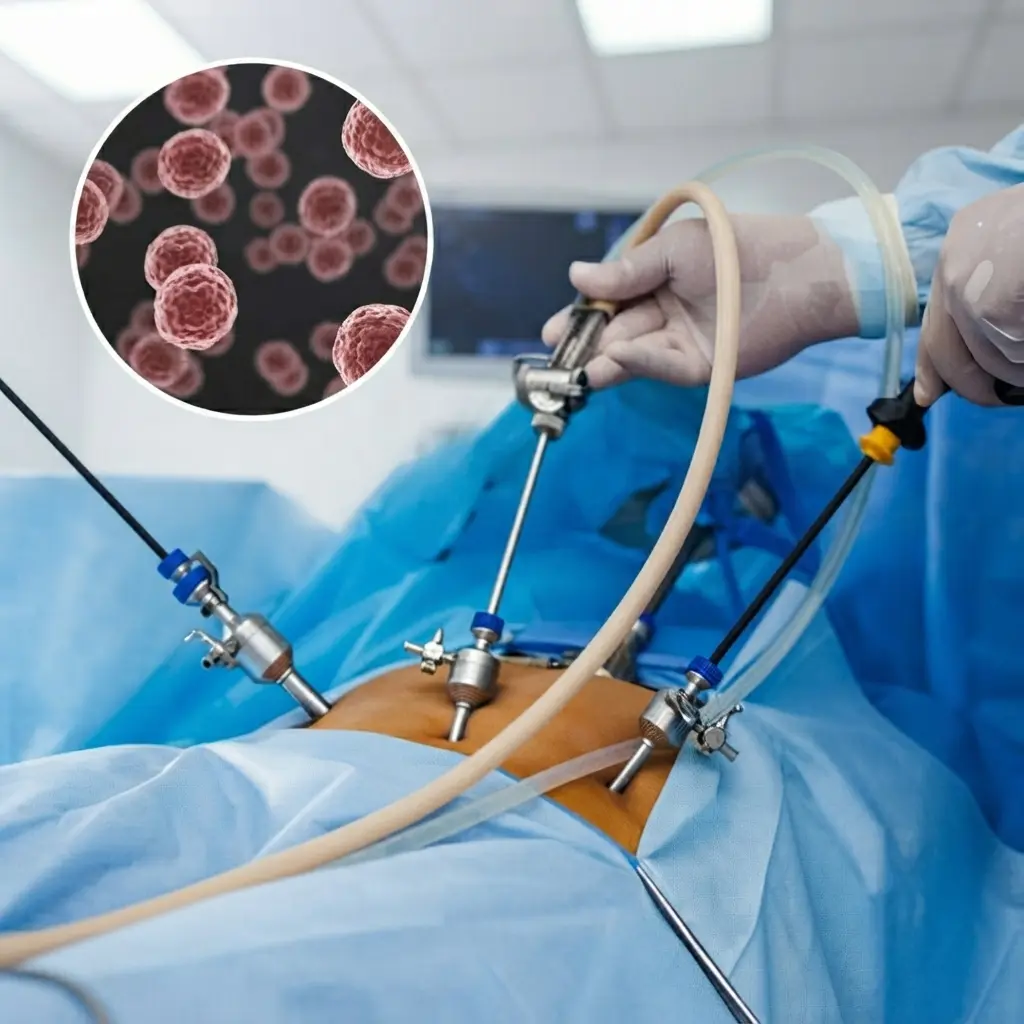
Robotic urologic surgery is a minimally invasive surgical approach in which specialized robotic surgical instruments are controlled by the surgeon.
It may be considered for selected procedures involving:
Prostate
Kidney
Bladder
Urinary tract
Other urological structures
Who May Need Robotic Urologic Surgery?
Selected patients with conditions such as:
Prostate cancer
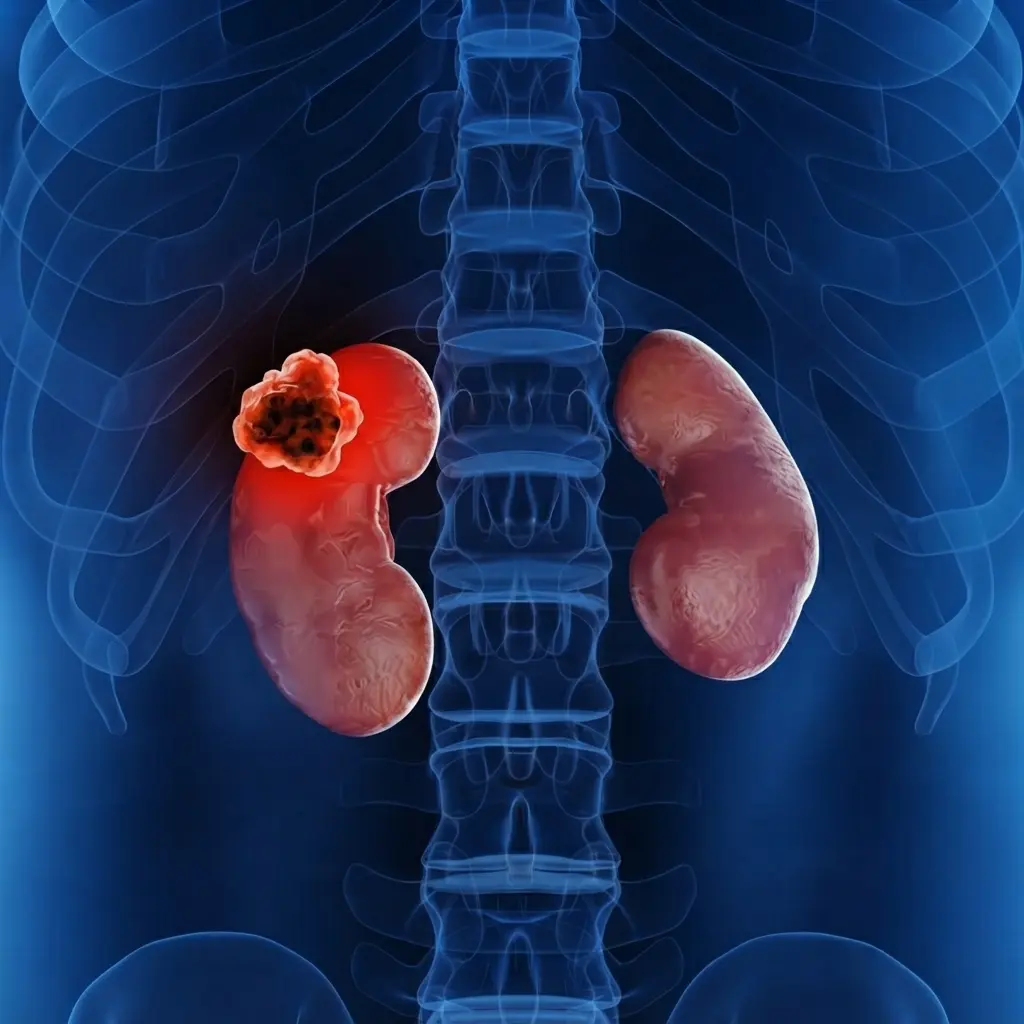
Kidney cancer
Kidney tumors
Bladder cancer
Other urological conditions requiring surgery
may be evaluated for robotic-assisted treatment.
Robotic Prostate Surgery
Robotic-assisted prostate surgery may be considered for selected patients with localized prostate cancer.
The surgical team evaluates:
Cancer stage
Tumor characteristics
Patient health
Previous treatments
Surgical suitability
Robotic Kidney Surgery
Robotic-assisted surgery may be considered for selected kidney tumors.
Depending on the tumor and clinical circumstances, surgery may involve:
Partial nephrectomy
Other kidney procedures
Robotic Bladder Surgery
Selected patients requiring bladder surgery may be evaluated for robotic-assisted approaches.
The appropriate technique depends on:
Cancer stage
Surgical requirements
Patient anatomy
Overall health
Minimally Invasive Approach
Robotic surgery uses small surgical incisions and specialized instruments.
Potential advantages of a minimally invasive approach may include:
Smaller incisions
Reduced tissue disruption
Potentially shorter recovery in selected procedures
Actual outcomes vary between patients and procedures.
Preoperative Evaluation
Before robotic surgery, patients may undergo:
Medical history review
Physical examination
Blood tests
Imaging
Pathology review when applicable
Anesthesia assessment
Medication review
Robotic Surgery Planning
The surgical team may consider:
Diagnosis
Tumor location
Disease stage
Anatomy
Previous surgery
Overall health
Surgical goals
Postoperative Care
Following robotic urologic surgery, patients may receive:
Pain management
Wound monitoring
Urinary care
Medication
Mobility support
Follow-up evaluation
Recovery After Robotic Surgery
Recovery depends on the specific procedure and the patient's individual health.
Patients may receive guidance regarding:
Physical activity
Wound care
Urinary function
Medication
Follow-up appointments
Return to normal activities
Robotic Urologic Surgery Second Opinion
Patients may seek a robotic urologic surgery second opinion regarding:
Whether surgery is necessary
Suitability for robotic surgery
Prostate surgery
Kidney surgery
Bladder surgery
Alternative surgical approaches
Expected recovery
Relevant medical records, imaging and pathology can be reviewed.
International Patient Robotic Urologic Surgery
International patients seeking robotic urologic surgery in the United States should provide relevant medical documentation whenever available.
Useful records may include:
CT or MRI scans
Ultrasound reports
PSA results
Biopsy reports
Pathology results
Previous surgical reports
Laboratory results
Medication history
Complete documentation can help specialists determine whether robotic surgery may be appropriate.
Benefits of Specialized Robotic Urologic Surgery
Specialized robotic surgery may offer:
Minimally invasive surgical options
Precise surgical instrument control
Evaluation of complex urological conditions
Potentially smaller surgical incisions
Specialized treatment for selected prostate, kidney and bladder conditions
Multidisciplinary surgical planning
Robotic surgery is not appropriate for every patient, and suitability must be determined by the treating surgical team.
Why Choose Mayo Clinic for Robotic Urologic Surgery?
Mayo Clinic provides specialized urological and surgical care through multidisciplinary teams.
Patients can undergo specialist evaluation to determine whether robotic-assisted surgery is appropriate based on their diagnosis, anatomy, overall health and treatment goals.
Cost & Price on Request
Price: Price on Request
Potential costs may include:
Urology consultation
Preoperative testing
Imaging
Pathology
Robotic surgical procedure
Anesthesia
Hospitalization
Postoperative care
Follow-up consultations
A personalized cost estimate can be requested following specialist assessment.
Frequently Asked Questions
1. What conditions can robotic urologic surgery treat?
Selected prostate, kidney, bladder and other urological conditions may be treated using robotic-assisted surgery.
2. Is robotic urologic surgery minimally invasive?
Yes. Robotic-assisted procedures generally use small surgical incisions and specialized instruments, although the specific approach depends on the procedure.
3. Is robotic surgery suitable for every patient?
No. Suitability depends on the diagnosis, disease stage, anatomy, previous treatments and overall health.
4. Can I request a robotic surgery second opinion at Mayo Clinic?
Patients may seek specialist review of their diagnosis and proposed surgical approach, subject to Mayo Clinic's evaluation and appointment requirements.
5. Can international patients receive robotic urologic surgery at Mayo Clinic?
International patients may request evaluation and treatment subject to Mayo Clinic's international patient processes, medical requirements and appointment availability.
Product Details
Product Name: Robotic Urologic Surgery
Hospital: Mayo Clinic
Brand: Mayo Clinic
Country: United States
Specialty: Urology
Service Type: Robotic Urologic Surgery
Customer-Facing Price: Price on Request
International Patients: Subject to applicable eligibility and appointment requirements
Location: Rochester, Minnesota, United States
Related products



Frequently Bought Together
No frequently bought products found!
Products from this Seller
View All










Chemotherapy at Mayo Clinic

Immunotherapy at Mayo Clinic

Medical Tourism





Share with Friends
Trading is more effective when you share products with friends!Share you link
Share to