













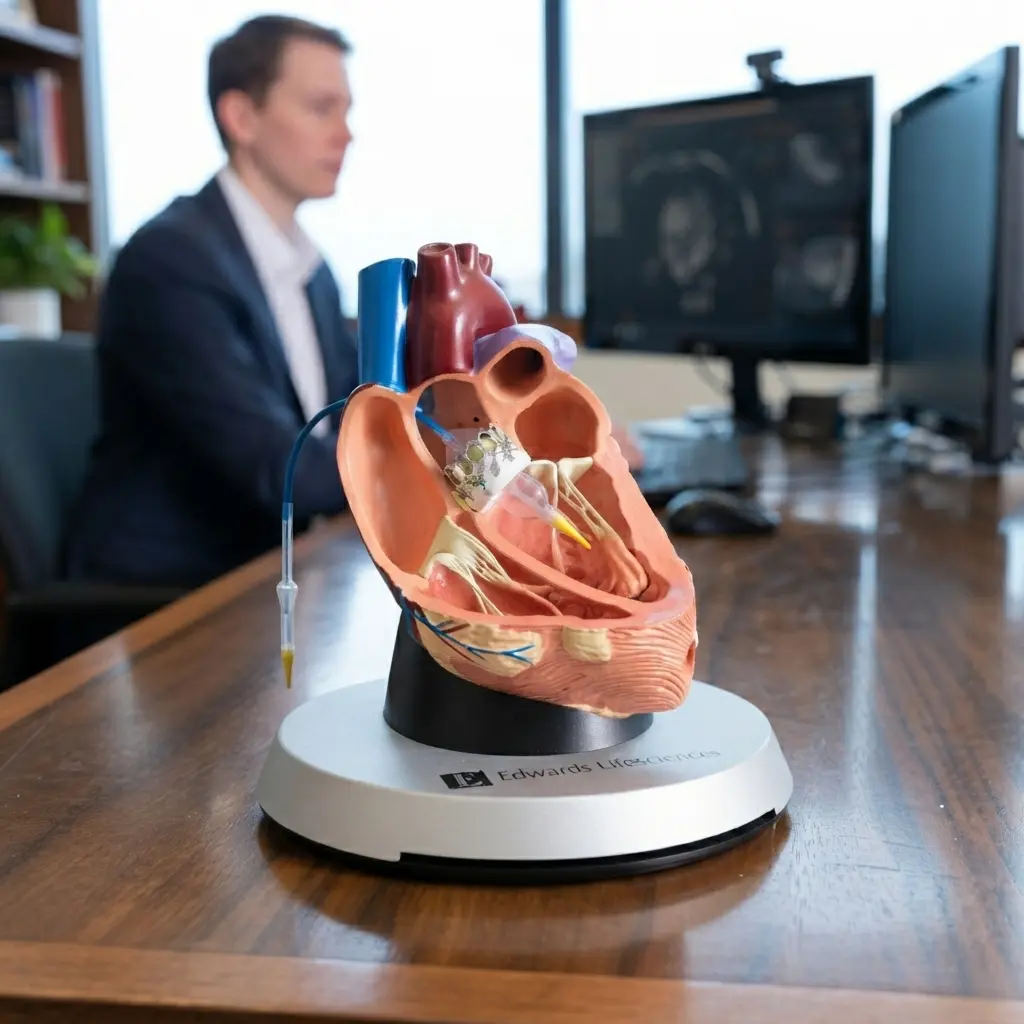
Heart Valve Surgery at Massachusetts General Hospital
Heart Valve Surgery at Massachusetts General Hospital provides specialized surgical treatment for patients with damaged, narrowed or leaking heart valves. Cardiac surgeons evaluate valve disease and determine whether repair, replacement or another treatment approach is most appropriate based on the patient's condition, valve anatomy and overall health.
Price
Price on Request
Why Price on Request?
The cost depends on the type and severity of valve disease, surgical approach, valve procedure, diagnostic testing, anesthesia, hospitalization and follow-up care required. A personalized estimate is provided according to the treatment plan.
Complete Description
What Is Heart Valve Surgery?
Heart Valve Surgery is a surgical treatment used to repair or replace a heart valve that is not functioning properly.
Heart valve disease may involve:
Aortic valve
Mitral valve
Tricuspid valve
Pulmonary valve
Valve problems may cause the valve to become:
Narrowed
Leaky
Stiff
Abnormally structured
Who May Need Heart Valve Surgery?
Surgery may be considered for selected patients with:
Severe valve narrowing
Severe valve leakage
Significant symptoms
Reduced heart function
Progressive valve disease
Structural valve abnormalities
Heart Valve Evaluation
Before surgery, patients may undergo:
Cardiology consultation
Physical examination
Echocardiogram
ECG
Cardiac imaging
Blood tests
Other diagnostic testing when appropriate
Aortic Valve Surgery
Aortic valve surgery may be considered for significant aortic valve disease, including:
Aortic stenosis
Aortic regurgitation
Certain congenital valve abnormalities
Treatment may involve valve repair or replacement depending on the condition.
Mitral Valve Surgery
Mitral valve surgery may address:
Mitral stenosis
Mitral regurgitation
Degenerative mitral valve disease
Other structural abnormalities
When appropriate, repair may be preferred over replacement.
Tricuspid Valve Surgery
Tricuspid valve surgery may be considered for selected patients with significant tricuspid valve disease.
Treatment can involve:
Valve repair
Valve replacement
Treatment of associated cardiac conditions
Heart Valve Repair
Valve repair aims to preserve the patient's own valve while restoring more normal valve function.
Repair may involve:
Reconstructing valve tissue
Supporting valve structures
Correcting abnormal valve movement
Improving valve closure
Heart Valve Replacement
When repair is not appropriate, valve replacement may be considered.
Replacement options may include:
Mechanical valves
Tissue valves
The appropriate choice depends on individual patient factors.
Minimally Invasive Valve Surgery
Selected patients may be candidates for minimally invasive valve procedures.
Potential advantages can include:
Smaller incisions
Reduced tissue disruption
Potentially shorter recovery
Suitability depends on valve anatomy, disease severity and overall health.
Complex Valve Surgery
Patients with multiple valve problems or other significant heart conditions may require complex surgical planning.
A multidisciplinary cardiac team may evaluate the patient and determine the most appropriate treatment strategy.
Heart Valve Imaging
Imaging plays an important role in surgical planning.
Possible studies include:
Echocardiography
Transesophageal echocardiography
CT imaging
Cardiac MRI when appropriate
Preoperative Planning
Before surgery, evaluation may include:
Cardiac testing
Blood tests
Anesthesia assessment
Medication review
Surgical planning
Assessment of other medical conditions
Heart Valve Surgery Recovery
After surgery, patients are monitored for:
Heart function
Heart rhythm
Blood pressure
Surgical-site healing
Mobility
Recovery progress
Cardiac Rehabilitation
Cardiac rehabilitation may be recommended following appropriate valve surgery.
It may include:
Supervised exercise
Strength and conditioning
Activity guidance
Cardiovascular risk management
Recovery education
Valve Surgery Follow-Up
Long-term follow-up may include:
Clinical examinations
Echocardiograms
Heart rhythm monitoring
Medication management
Assessment of valve function
Heart Valve Surgery Risks
Potential surgical complications may include:
Bleeding
Infection
Blood clots
Abnormal heart rhythms
Stroke
Kidney complications
Valve-related complications
Individual risk varies according to the patient's health and type of procedure.
Heart Valve Surgery Second Opinion
Patients who have received a recommendation for valve surgery may seek a cardiac surgery second opinion.
Specialists may review:
Echocardiograms
CT scans
Cardiac MRI
ECGs
Medical records
Previous procedures
Surgical recommendations
International Patients
International patients should provide available cardiac records.
Useful documents may include:
Echocardiogram reports
Transesophageal echocardiography reports
ECG reports
Cardiac imaging
Previous cardiac procedure reports
Blood-test results
Medication list
Benefits of Specialized Heart Valve Surgery
Specialized valve care may help:
Treat severe valve disease
Restore valve function
Repair damaged valves
Replace valves when necessary
Improve cardiac function
Manage complex valve conditions
Provide multidisciplinary surgical planning
Support postoperative rehabilitation
Why Choose Massachusetts General Hospital for Heart Valve Surgery?
Massachusetts General Hospital's Heart Valve Program provides multidisciplinary evaluation and treatment for patients with heart valve disease, bringing together cardiovascular specialists to develop individualized treatment plans.
Cost & Price on Request
Price: Price on Request
Potential costs may include:
Cardiology consultation
Cardiac imaging
Preoperative testing
Valve surgery
Valve replacement or repair
Anesthesia
Hospitalization
Cardiac rehabilitation
Follow-up care
A personalized cost estimate should be requested according to the patient's treatment plan.
Frequently Asked Questions
1. Which heart valves can require surgery?
Surgery may be performed on the aortic, mitral, tricuspid or pulmonary valves, depending on the underlying condition.
2. Can a damaged heart valve be repaired instead of replaced?
Yes. Valve repair may be possible for selected patients depending on the valve's anatomy and type of disease.
3. What is the difference between valve repair and replacement?
Repair preserves the patient's existing valve, while replacement removes the diseased valve and substitutes it with a mechanical or tissue valve.
4. Is minimally invasive heart valve surgery available?
Selected patients may be candidates for minimally invasive valve procedures, depending on their condition and surgical requirements.
5. How much does heart valve surgery cost?
Price is available on request. The final cost depends on the valve condition, procedure, hospital stay, diagnostic testing and follow-up care.
Related products






Frequently Bought Together
No frequently bought products found!
Products from this Seller
View All







Chemotherapy at Mayo Clinic

Immunotherapy at Mayo Clinic



Medical Tourism





Share with Friends
Trading is more effective when you share products with friends!Share you link
Share to