














Epilepsy Treatment at Massachusetts General Hospital
Epilepsy Treatment at Massachusetts General Hospital provides specialized evaluation and treatment for patients with epilepsy, recurrent seizures and complex seizure disorders. Care may include advanced seizure monitoring, EEG testing, brain imaging, medication management, dietary therapies, epilepsy surgery evaluation and other specialized treatment options.
Price
Price on Request
Why Price on Request?
The cost depends on the complexity of the epilepsy, diagnostic testing, EEG monitoring, imaging, medications, hospitalization and whether surgical evaluation or treatment is required. A personalized estimate is provided according to the patient's treatment plan.
Complete Description
What Is Epilepsy?
Epilepsy is a neurological disorder characterized by a tendency to have recurrent seizures.
Seizures can result from abnormal electrical activity in the brain and may cause:
Loss of awareness
Unusual movements
Staring episodes
Muscle jerking
Sensory changes
Temporary confusion
Other neurological symptoms
Who May Need Epilepsy Treatment?
Specialized epilepsy care may benefit patients with:
Recurrent seizures
Newly diagnosed epilepsy
Unexplained seizure-like episodes
Medication-resistant epilepsy
Complex seizure disorders
Seizures associated with brain abnormalities
Epilepsy Consultation
An epilepsy specialist may review:
Seizure history
Seizure frequency
Symptoms before and after seizures
Previous EEG results
Brain imaging
Medications
Previous treatments
Family history
Comprehensive Seizure Evaluation
Specialists may evaluate:
Type of seizure
Seizure triggers
Seizure frequency
Possible underlying cause
Response to previous medications
Impact on daily activities
EEG Testing
An electroencephalogram (EEG) records electrical activity in the brain.
EEG testing can help specialists:
Detect abnormal electrical activity
Classify seizures
Support an epilepsy diagnosis
Guide treatment planning
Video EEG Monitoring
Video EEG monitoring combines continuous EEG recording with video observation.
It can help specialists determine whether unusual episodes are epileptic seizures and identify the seizure type and origin.
Epilepsy Monitoring Unit
Selected patients may undergo extended monitoring in a specialized epilepsy setting.
Monitoring can help:
Capture seizures
Analyze seizure activity
Clarify diagnosis
Evaluate treatment options
Determine whether surgery may be appropriate
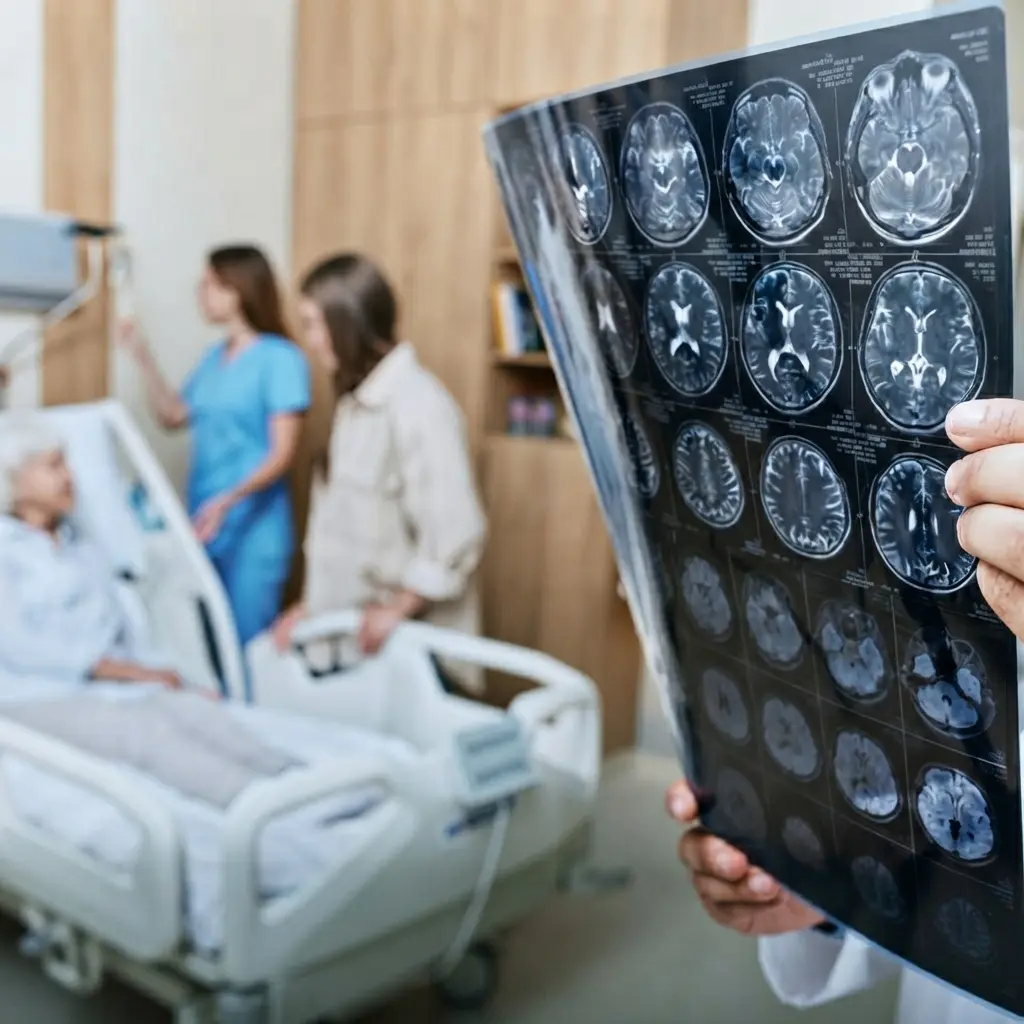
Brain MRI for Epilepsy
MRI may be used to identify structural abnormalities that could contribute to seizures.
Imaging may help evaluate:
Brain lesions
Scarring
Developmental abnormalities
Tumors
Other structural causes
Anti-Seizure Medication Management
Medication is a major component of epilepsy treatment.
Specialists may:
Start anti-seizure medication
Adjust medication doses
Change medications
Combine medications when appropriate
Monitor treatment response
Medication-Resistant Epilepsy
Some patients continue to experience seizures despite appropriate medication treatment.
These patients may be evaluated at a specialized epilepsy center for additional treatment options.
Epilepsy Surgery Evaluation
Selected patients with medication-resistant epilepsy may undergo a comprehensive surgical evaluation.
The assessment may include:
Video EEG
MRI
Neuropsychological testing
Functional brain mapping
Other specialized investigations
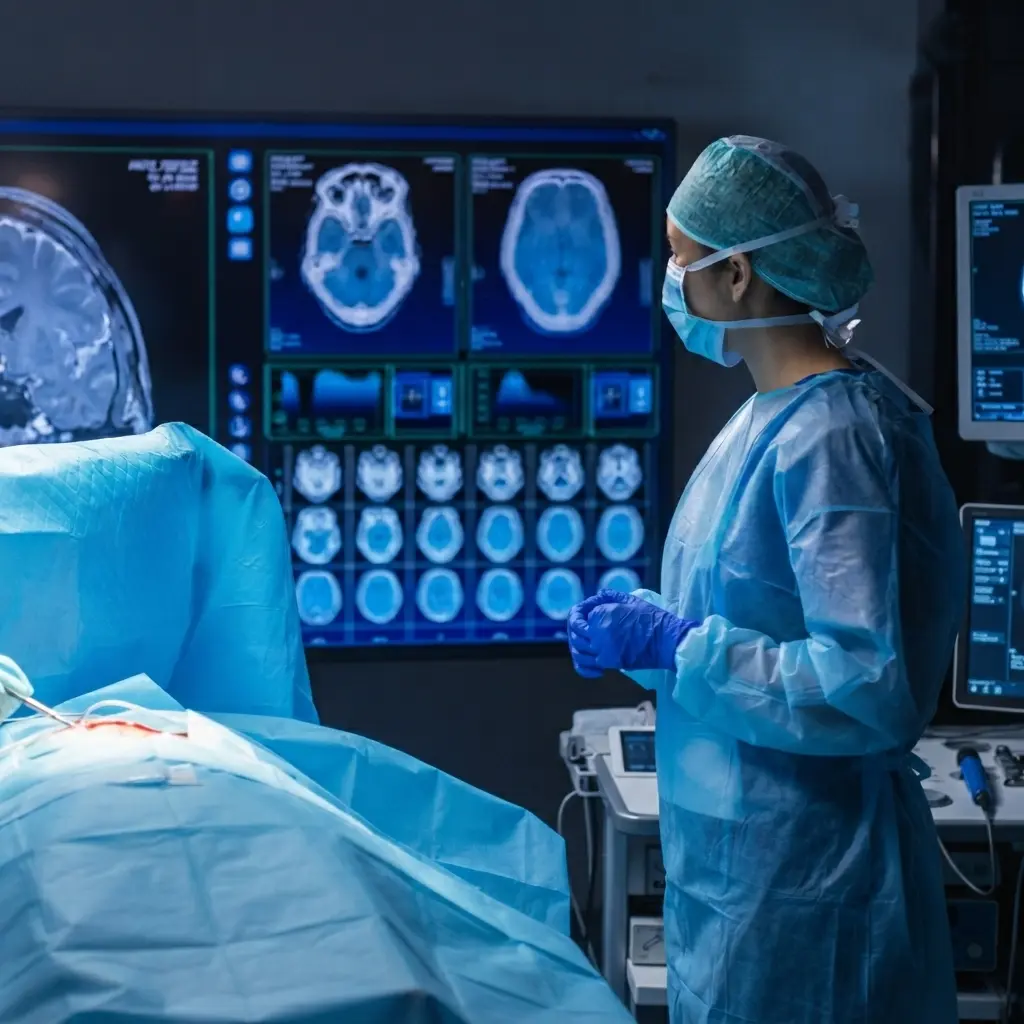
Epilepsy Surgery
For carefully selected patients, surgery may target the brain region responsible for seizures.
The type of procedure depends on:
Seizure origin
Brain anatomy
Underlying condition
Functional importance of the affected area
Neuromodulation Therapies
Selected patients who are not candidates for traditional epilepsy surgery may be evaluated for specialized neuromodulation approaches.
Treatment suitability depends on the patient's epilepsy and clinical circumstances.
Dietary Therapy
Certain patients, particularly selected individuals with difficult-to-control epilepsy, may be evaluated for specialized dietary treatment approaches.
Pediatric Epilepsy Care
Children with seizures may require specialized evaluation addressing:
Development
Learning
School performance
Seizure type
Medication effects
Family support
Epilepsy and Pregnancy
Women with epilepsy may require specialized planning regarding:
Anti-seizure medications
Pregnancy
Medication safety
Seizure control
Maternal and fetal health
Long-Term Epilepsy Management
Ongoing care may include:
Seizure monitoring
Medication adjustments
EEG testing when appropriate
Safety counseling
Lifestyle guidance
Follow-up neurological assessment
Epilepsy Second Opinion
Patients may seek an epilepsy second opinion regarding:
Seizure diagnosis
EEG interpretation
Medication selection
Medication-resistant epilepsy
Surgical evaluation
Alternative treatment options
International Patients
International patients should provide relevant records whenever possible.
Useful documents may include:
EEG reports
Video EEG results
MRI/CT scans
Neurology reports
Seizure history
Medication records
Previous surgical evaluations
Laboratory results
Benefits of Specialized Epilepsy Care
Specialized epilepsy services may help:
Confirm seizure diagnosis
Classify seizure type
Identify seizure origin
Optimize medications
Evaluate medication-resistant epilepsy
Assess surgical options
Coordinate long-term seizure management
Why Choose Massachusetts General Hospital for Epilepsy Treatment?
Massachusetts General Hospital provides specialized epilepsy care through multidisciplinary neurology and neuroscience programs, with access to advanced seizure monitoring, diagnostic testing, medical management and surgical evaluation when appropriate.
Cost & Price on Request
Price: Price on Request
Potential costs may include:
Epilepsy consultation
Neurological evaluation
EEG
Video EEG monitoring
MRI
Neuropsychological testing
Anti-seizure medications
Hospital monitoring
Epilepsy surgery evaluation
Surgery when indicated
Follow-up care
A personalized cost estimate should be requested according to the patient's evaluation and treatment requirements.
Frequently Asked Questions
1. Can epilepsy be treated with medication?
Yes. Many patients can achieve seizure control with appropriate anti-seizure medications, although treatment response varies.
2. What if seizures continue despite medication?
Patients with medication-resistant epilepsy may benefit from evaluation at a specialized epilepsy center for additional medical, surgical or neuromodulation options.
3. What is video EEG monitoring?
It combines continuous brain-wave recording with video monitoring to help characterize and diagnose seizure episodes.
4. Can epilepsy surgery cure seizures?
For carefully selected patients, epilepsy surgery can significantly reduce or potentially eliminate seizures, but outcomes depend on the underlying condition and seizure origin.
5. How much does epilepsy treatment cost?
Price is available on request. The final cost depends on consultations, EEG monitoring, imaging, medications, hospitalization and any surgical treatment required.
Product Details
Product Name: Epilepsy Treatment at Massachusetts General Hospital
Hospital: Massachusetts General Hospital
Brand: Massachusetts General Hospital
Country: United States
Specialty: Neurology & Neurosurgery
Service Type: Epilepsy Treatment
Customer-Facing Price: Price on Request
International Patients: Available
Location: Boston, Massachusetts, USA
Related products





Frequently Bought Together
No frequently bought products found!
Products from this Seller
View All









Chemotherapy at Mayo Clinic

Immunotherapy at Mayo Clinic



Medical Tourism





Share with Friends
Trading is more effective when you share products with friends!Share you link
Share to