













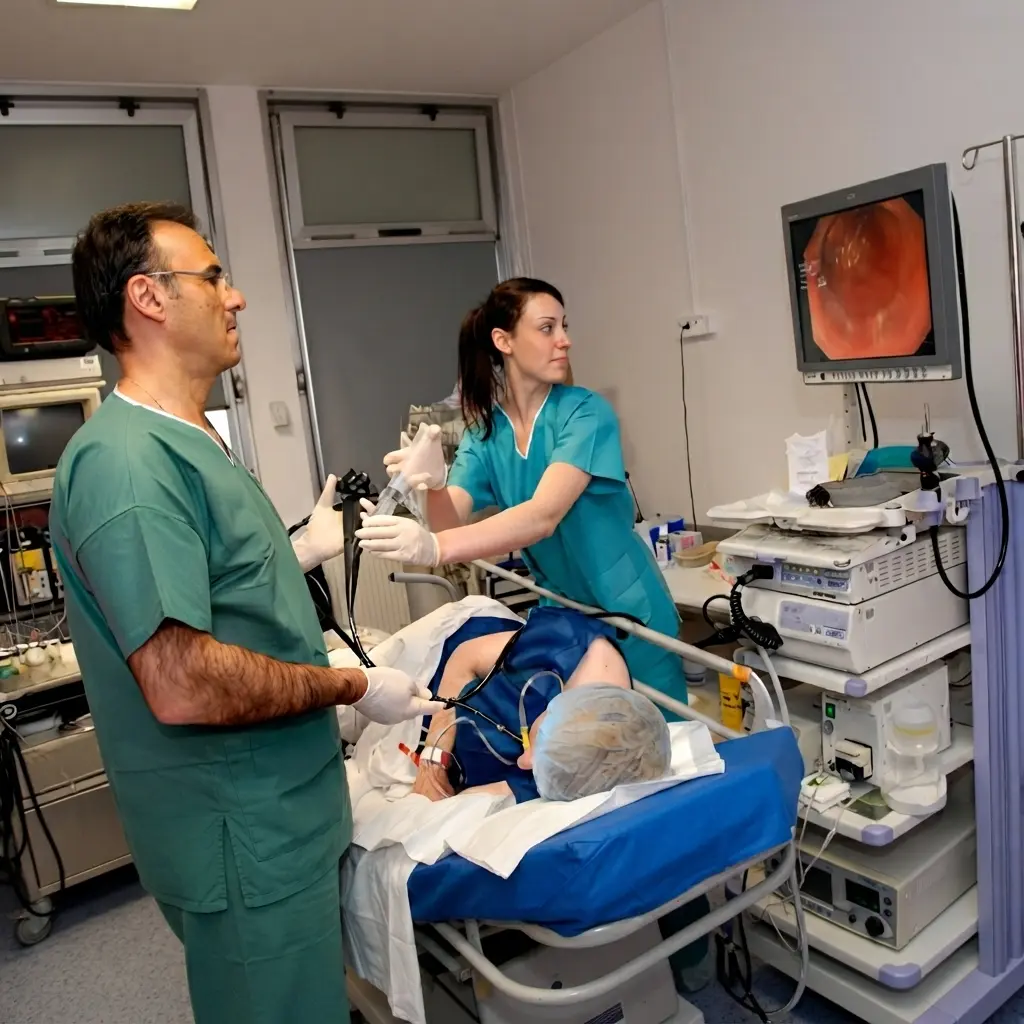
Colonoscopy at Toronto General Hospital
Colonoscopy is a specialized diagnostic and therapeutic procedure used to examine the inner lining of the rectum and entire colon. It can help investigate symptoms such as rectal bleeding, persistent changes in bowel habits, abdominal discomfort and unexplained anemia, while also allowing specialists to identify and remove certain polyps or obtain tissue samples when clinically indicated.
Price
Price on Request
Why Price on Request?
The cost of colonoscopy varies according to the reason for the procedure, specialist assessment, preparation requirements, sedation or anesthesia, biopsy or polyp removal, pathology testing and any additional investigations or treatment required. A personalized cost estimate can be provided after medical assessment.
Complete Description
What Is a Colonoscopy?
A Colonoscopy is an endoscopic procedure that allows a specialist to examine the lining of the large intestine using a flexible instrument equipped with a camera.
The examination can assess the:
Rectum
Colon
Large intestine
Terminal ileum when clinically appropriate
Colonoscopy may be performed for diagnostic, screening or therapeutic purposes.
Who May Need a Colonoscopy?
A colonoscopy may be recommended for patients with:
Rectal bleeding
Persistent changes in bowel habits
Chronic diarrhea
Unexplained constipation
Abdominal pain
Unexplained iron-deficiency anemia
Unexplained weight loss
Suspected inflammatory bowel disease
Abnormal findings from other gastrointestinal investigations
A need for colorectal cancer screening
The decision to perform colonoscopy depends on the patient's age, symptoms, medical history and clinical assessment.
Colonoscopy for Colorectal Cancer Screening
Colonoscopy can be used to examine the colon for abnormalities that may represent precancerous changes or colorectal cancer.
During the procedure, specialists may identify:
Polyps
Abnormal tissue
Bleeding sources
Inflammation
Tumors
Other changes in the intestinal lining
Screening recommendations depend on individual risk factors and applicable clinical guidelines.
Evaluation of Rectal Bleeding
Colonoscopy may help investigate unexplained rectal bleeding.
Possible causes can include:
Hemorrhoids
Polyps
Inflammatory bowel disease
Diverticular disease
Colorectal tumors
Other gastrointestinal conditions
Further evaluation is based on the patient's symptoms and examination findings.
Evaluation of Changes in Bowel Habits
Persistent changes in bowel habits may require specialist investigation.
Colonoscopy can help evaluate symptoms such as:
Persistent diarrhea
Chronic constipation
Alternating diarrhea and constipation
Changes in stool characteristics
Increased bowel frequency
Other unexplained bowel changes
Colonoscopy for Abdominal Symptoms
Patients with unexplained lower abdominal symptoms may undergo colonoscopy when clinically appropriate.
The procedure may help investigate:
Persistent abdominal pain
Lower abdominal discomfort
Bloating associated with other concerning symptoms
Unexplained gastrointestinal symptoms
Additional investigations may be recommended depending on the clinical presentation.
Colonoscopy for Inflammatory Bowel Disease
Colonoscopy may be used to diagnose and monitor inflammatory bowel diseases such as:
Crohn's disease
Ulcerative colitis
The procedure may help assess:
Intestinal inflammation
Disease extent
Mucosal changes
Treatment response
Disease progression
Biopsies may be taken when clinically indicated.
Polyp Detection and Removal
During colonoscopy, specialists may identify polyps within the colon.
When appropriate, certain polyps can be removed during the same procedure using specialized endoscopic techniques.
Removed tissue may be sent for pathology examination to determine its nature.
Biopsy During Colonoscopy
A biopsy may be performed when abnormal tissue or inflammation requires further evaluation.
Biopsy samples can help investigate:
Inflammation
Precancerous changes
Cancer
Microscopic bowel conditions
Other abnormalities
The decision to perform a biopsy depends on findings during the procedure.
Colonoscopy Preparation
Proper bowel preparation is essential for a successful colonoscopy.
Preparation instructions may include:
Temporary dietary modifications
Use of prescribed bowel-cleansing medication
Adjustments to certain medications when medically appropriate
Maintaining adequate hydration
Following specific instructions provided before the procedure
Patients should follow the preparation instructions provided by their healthcare team.
Sedation and Anesthesia
Depending on the patient's circumstances and the procedure, sedation or anesthesia may be used to improve comfort.
The appropriate approach depends on:
Medical history
Procedure requirements
Patient factors
Clinical assessment
The healthcare team provides specific instructions before the procedure.
Colonoscopy Procedure
During colonoscopy, a flexible endoscope is carefully introduced through the rectum and advanced through the colon.
The specialist examines the intestinal lining for abnormalities and may perform:
Biopsy
Polyp removal
Other therapeutic procedures when appropriate
The procedure is performed under appropriate medical monitoring.
Post-Colonoscopy Care
After the procedure, patients may receive instructions regarding:
Recovery from sedation
Diet
Medication
Activity
Possible temporary abdominal discomfort
Follow-up arrangements
Pathology results when tissue has been collected
Patients should follow the post-procedure instructions provided by their healthcare team.
Colonoscopy and Pathology Testing
If a biopsy or polyp is removed, the tissue may be sent for laboratory pathology assessment.
Pathology may help determine whether the tissue shows:
Benign changes
Inflammation
Precancerous changes
Cancerous changes
Other abnormalities
Further treatment or surveillance may be recommended based on the results.
Advanced Colonoscopy
Some patients may require more specialized endoscopic evaluation or treatment.
Advanced procedures may be considered for selected cases involving:
Complex polyps
Difficult-to-access lesions
Suspected gastrointestinal tumors
Other complex colorectal abnormalities
The appropriate procedure depends on specialist assessment.
Colonoscopy Second Opinion
Patients may seek a colonoscopy second opinion regarding:
Previous colonoscopy findings
Polyps
Biopsy results
Abnormal imaging
Recommended surveillance
Suspected inflammatory bowel disease
Colorectal cancer concerns
Recommended treatment
Relevant endoscopy reports, pathology results and imaging can be reviewed during specialist assessment.
International Patient Colonoscopy
International patients seeking colonoscopy in Canada should provide relevant medical documentation whenever available.
Useful records may include:
Previous colonoscopy reports
Endoscopy images or reports
Pathology reports
Blood test results
CT or MRI reports
Previous gastrointestinal consultations
Medication list
Previous treatment records
Complete documentation can assist specialists in determining the appropriate diagnostic pathway.
Benefits of Colonoscopy
Colonoscopy may help:
Examine the colon directly
Investigate gastrointestinal symptoms
Detect colorectal abnormalities
Identify polyps
Remove selected polyps
Obtain tissue biopsies
Evaluate inflammatory bowel disease
Investigate sources of intestinal bleeding
Support colorectal cancer screening
Guide further treatment planning
Why Choose Toronto General Hospital for Colonoscopy?
Toronto General Hospital (TGH) is part of University Health Network (UHN) and provides specialized care for complex gastrointestinal conditions.
Patients requiring colonoscopy may be assessed through relevant gastroenterology and endoscopy services according to their symptoms, medical history and clinical requirements.
The need for colonoscopy and any additional endoscopic procedures is determined by specialist assessment.
Cost & Price on Request
Price: Price on Request
The total cost depends on the procedure and additional services required.
Potential costs may include:
Gastroenterology consultation
Colonoscopy procedure
Bowel preparation
Sedation or anesthesia
Biopsy
Polyp removal
Pathology testing
Additional imaging
Follow-up consultation
A personalized cost estimate can be requested following specialist assessment.
Frequently Asked Questions
1. What can a colonoscopy detect?
A colonoscopy can help detect polyps, inflammation, bleeding sources, abnormal tissue, colorectal tumors and other abnormalities affecting the colon and rectum.
2. Can polyps be removed during a colonoscopy?
Yes. Certain polyps can be removed during the procedure when clinically appropriate, and the tissue may then be sent for pathology testing.
3. Is bowel preparation required before colonoscopy?
Yes. Proper bowel preparation is generally required so that the specialist can clearly examine the lining of the colon.
4. Can colonoscopy be used for colorectal cancer screening?
Yes. Colonoscopy can be used as a colorectal cancer screening and diagnostic procedure depending on individual risk factors and clinical recommendations.
5. Can international patients receive colonoscopy in Canada?
International patients may request colonoscopy and specialist assessment subject to applicable hospital processes, medical requirements, eligibility and program availability.
Product Details
Product Name: Colonoscopy
Hospital: Toronto General Hospital
Brand: Toronto General Hospital
Country: Canada
Specialty: Gastroenterology & Hepatology
Service Type: Diagnostic & Therapeutic Endoscopy
Customer-Facing Price: Price on Request
International Patients: Subject to applicable eligibility and program requirements
Location: Toronto, Ontario, Canada
Related products
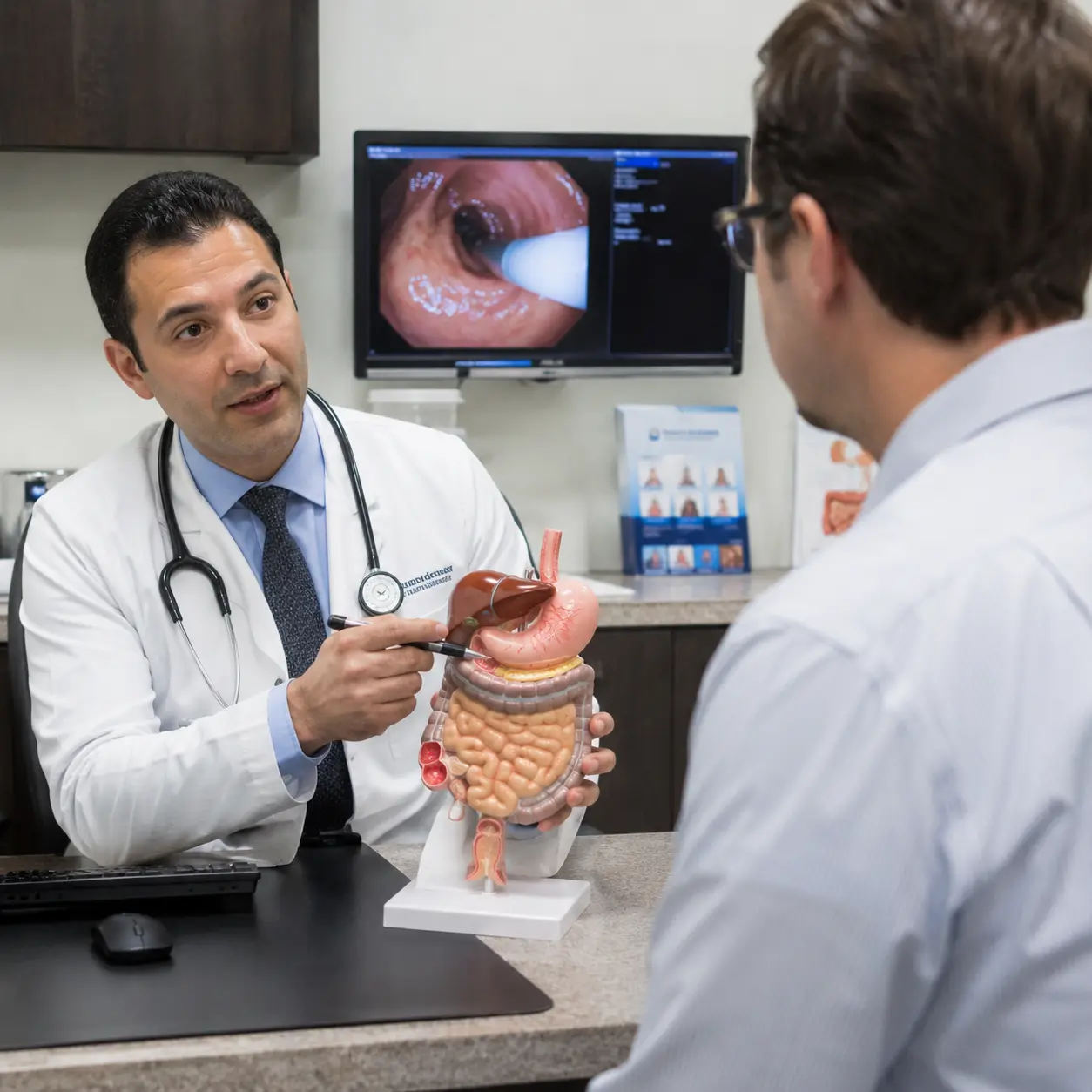

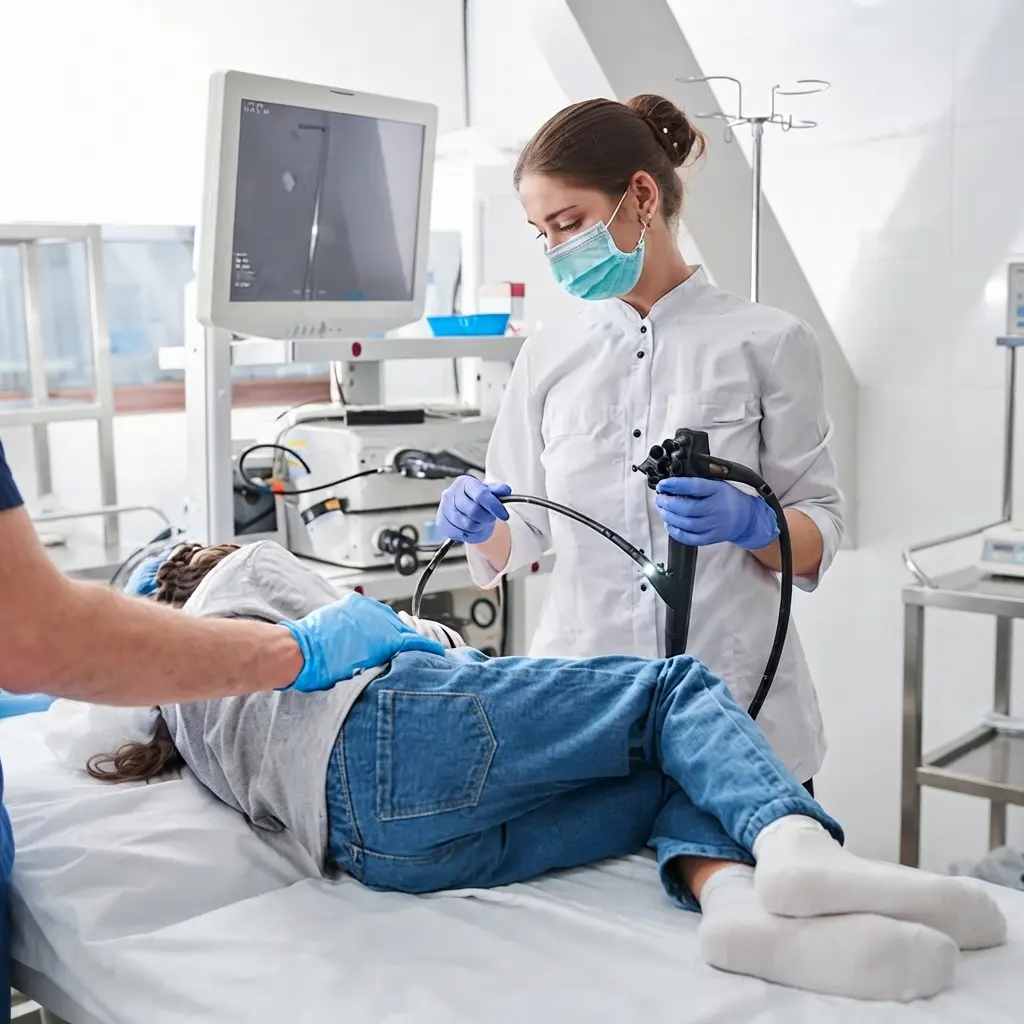

Frequently Bought Together
No frequently bought products found!
Products from this Seller
View All


Chemotherapy at Mayo Clinic

Immunotherapy at Mayo Clinic
Medical Tourism





Share with Friends
Trading is more effective when you share products with friends!Share you link
Share to